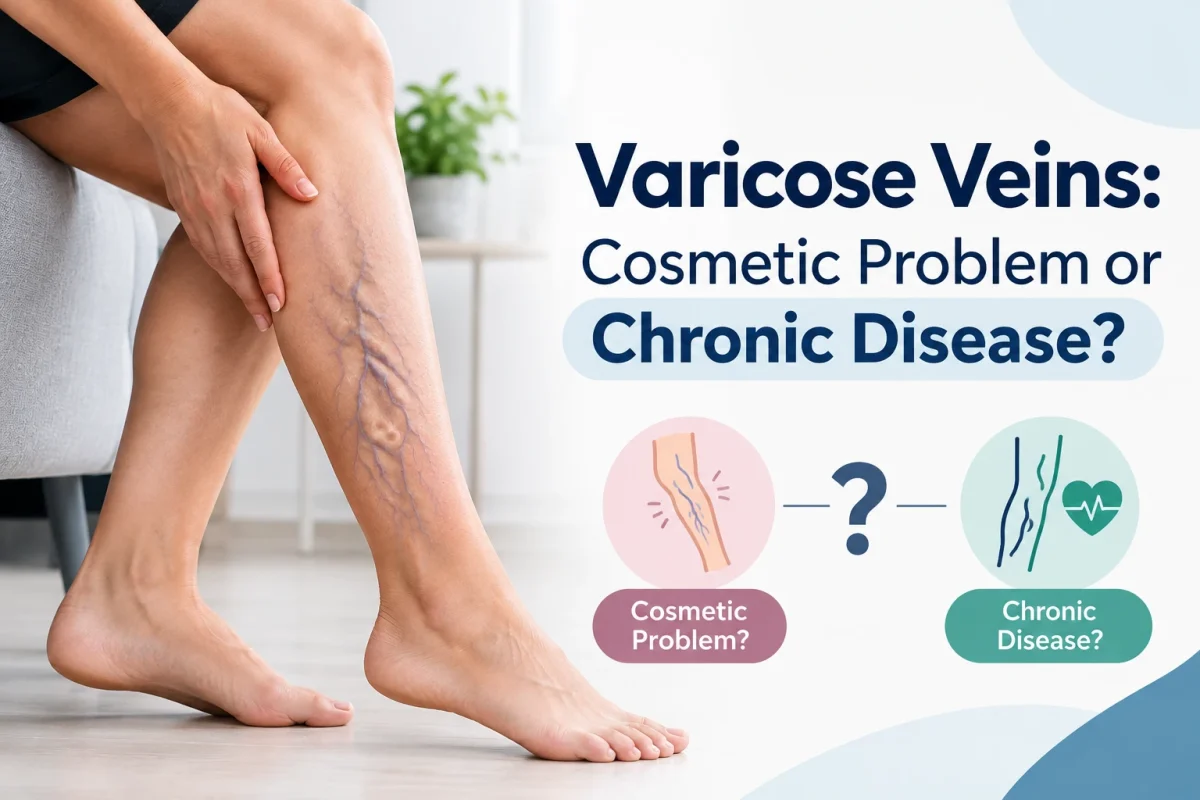
Foods to Avoid for Varicose Veins

Foods to Avoid for Varicose Veins – A Guide to Better Vascular Health

Foods to Avoid for Varicose Veins – A Guide to Better Vascular Health

Varicose veins are swollen, twisted veins that usually appear in the legs due to poor circulation and weakened vein walls or valves. While genetics, age, and lifestyle play a major role, your diet can significantly influence the progression or management of varicose veins. At  Surekha Varicose Veins, we emphasize a holistic approach to treating varicose veins—and that starts with understanding which foods may be making your symptoms worse.

In this blog, we’ll focus on the foods to avoid for varicose veins and why steering clear of certain items can help reduce discomfort, swelling, and inflammation.

Why Diet Matters for Varicose Veins

Your diet directly impacts blood flow, vein strength, and inflammation levels in the body. Consuming foods that increase water retention, blood pressure, or blood sugar levels can worsen the appearance and pain associated with varicose veins. On the other hand, a healthy diet rich in fiber, antioxidants, and anti-inflammatory foods can support vein health and improve circulation.

Let’s explore the key foods to avoid for varicose veins to promote better vascular health.

1. Salty and Processed Foods

High sodium intake can lead to water retention, causing swelling in the legs and ankles—one of the most common symptoms of varicose veins. Processed foods like chips, canned soups, deli meats, and frozen meals are typically high in sodium.

Avoid:

Why: Excess salt causes your body to hold onto water, increasing the pressure on veins and making varicose veins more prominent and painful.

2. Sugary Foods and Beverages

Refined sugars spike your blood glucose levels and contribute to systemic inflammation. Over time, high sugar intake can damage blood vessels and reduce elasticity in vein walls.

Avoid:

Why: Sugar contributes to weight gain and inflammation—both risk factors for worsening varicose veins.

3. Refined Carbohydrates

Refined carbs are stripped of fiber and nutrients, which can lead to constipation and poor blood sugar regulation. Constipation increases abdominal pressure, making it harder for blood to flow freely from the legs to the heart, aggravating varicose veins.

Avoid:

Why: These foods slow digestion and promote weight gain, both of which negatively impact vein health.

4. Alcohol

Alcohol is a vasodilator, which means it widens blood vessels and can increase blood pooling in the legs. It also dehydrates the body and impairs liver function, which plays a role in blood filtration and clotting.

Avoid:

Why: Alcohol increases blood pressure, dehydrates you, and contributes to vascular inflammation, worsening varicose veins.

5. Fried and Fatty Foods

Fried foods and those high in unhealthy fats (especially trans fats) contribute to poor circulation, high cholesterol, and inflammation. These factors can cause or worsen varicose veins by damaging the inner lining of the blood vessels.

Avoid:

Why: Saturated and trans fats raise cholesterol and promote clot formation and venous inflammation.

6. Dairy Products (in excess)

While not harmful in moderation, excessive consumption of dairy can lead to constipation in some people, which increases intra-abdominal pressure and hinders blood flow from the legs.

Avoid:

Why: Constipation caused by dairy can put extra pressure on the veins in your legs, exacerbating varicose veins symptoms.

7. Red Meat (high-fat cuts)

Red meat is often high in saturated fat, which can increase cholesterol levels and inflammation. Additionally, heavy consumption of red meat can contribute to sluggish digestion and constipation.

Avoid:

Why: Red meat increases inflammation and contributes to digestive issues that affect venous return.

8. Caffeinated Beverages (in excess)

Caffeine in moderate amounts is generally safe, but excessive consumption can lead to dehydration and high blood pressure, especially if you’re not drinking enough water alongside.

Avoid:

Why: Dehydration thickens blood and makes it harder for veins to transport it effectively, contributing to varicose veins issues.

What to Eat Instead

Now that you know what foods to avoid for varicose veins, here are some healthier alternatives:

These options improve blood circulation, reduce inflammation, and strengthen vein walls—making them essential in managing varicose veins.

Final Thoughts

While visible bulging veins may be the most noticeable sign of varicose veins, your diet could silently be making the problem worse. Avoiding foods high in salt, sugar, unhealthy fats, and processed ingredients is one of the simplest ways to support your vein health from the inside out.

At Surekha Varicose veins, our vascular specialists work closely with patients to create personalized treatment and dietary plans for managing varicose veins. With the right care, you can reduce symptoms and improve your quality of life.

Monsoon Season and Leg Swelling Is It Varicose Veins

Monsoon Season and Leg Swelling: Is It Varicose Veins?

Monsoon Season and Leg Swelling: Is It Varicose Veins?

The monsoon brings with it a welcome break from the scorching summer heat the smell of wet earth, a warm cup of chai, and the sound of rain against the window. But for many people, it also brings something less welcome: heavy, swollen legs that ache by the end of the day.

If you’ve noticed your legs puffing up more during the rainy season, you’re not imagining it. This is an extremely common complaint, and it has a lot to do with how our bodies respond to monsoon conditions. But here’s the question most people don’t think to ask is that swelling just a seasonal thing, or could it be a sign of varicose veins?

Let’s break it down in simple terms.

Why Do Legs Swell More During the Monsoon?

Before we talk about veins, it helps to understand why the monsoon season makes swelling worse in general even in perfectly healthy people.

Humidity is the main culprit. When the air is heavy with moisture, your body finds it harder to regulate fluids. The blood vessels near the skin surface tend to expand in humid conditions, and fluid can leak out into the surrounding tissue more easily. This is what causes that puffy, tight feeling in your feet and ankles.

We also move less. Let’s be honest on a rainy day, most of us are not going for a walk or climbing stairs. We sit longer, rest more, and stay indoors. When your legs are inactive for long periods, blood naturally pools in the lower limbs, causing swelling and heaviness.

Barometric pressure changes the shift in atmospheric pressure that comes with overcast, rainy weather can also cause tissues to expand slightly, adding to the feeling of fullness in the legs.

So yes, some degree of leg swelling during the monsoon is completely normal. But there’s a line between “seasonal puffiness” and something that needs attention and varicose veins are often on the other side of that line.

What Are Varicose Veins, Exactly?

Your veins have a job that requires constant effort pushing blood upward from your legs back to your heart, against the pull of gravity. To do this, they rely on a series of tiny one-way valves that open to let blood through and then close to stop it from flowing back down.

When these valves weaken or stop working properly, blood starts to pool in the vein. The vein stretches under the pressure, becoming enlarged, twisted, and visible under the skin. These are varicose veins and they’re far more common than people realise, affecting nearly 1 in 3 adults at some point in their lives.

They most commonly appear on the calves and inner thighs, and while they can look alarming, many people live with them for years without realising they have a treatable condition.

How Is Varicose Vein Swelling Different from Normal Monsoon Swelling?

This is the most important question and the answer lies in looking at the bigger picture.

Normal monsoon-related swelling:

  • Tends to affect both legs equally
  • Usually improves after a night’s rest or when you put your feet up
  • Comes and goes with the weather or your activity levels
  • Doesn’t come with pain, skin changes, or visible veins
  • Is worse at the end of the day but much better by morning

Swelling linked to varicose veins:

  • May be more pronounced in one leg than the other
  • Doesn’t fully go away even after resting overnight
  • Is often accompanied by a heavy, tired, or achy feeling in the legs
  • May come with itching, burning, or a throbbing sensation
  • You might also notice dark bluish or purplish veins visible under the skin
  • Skin around the ankle may look slightly discoloured or feel harder over time
  • Gets noticeably worse during the monsoon and in hot, humid conditions

If you’re nodding along to several points in that second list, it may be time to pay closer attention.

Warning Signs You Shouldn't Ignore

Varicose veins are often dismissed as a cosmetic problem “just some visible veins” but they can progress over time if left untreated. Here are signs that warrant a proper check-up, especially if they appear or worsen during the monsoon:

Persistent leg heaviness — A dragging, fatigued feeling in the legs that doesn’t improve even after a full night’s rest.

Swelling that doesn’t go down — If your ankles or calves are still swollen in the morning, that’s not normal seasonal puffiness.

Leg cramps at night — Frequent cramping, especially in the calf muscles, can be associated with poor venous circulation.

Skin changes — Any darkening, hardening, or discolouration of the skin around the ankle or lower leg needs prompt attention.

Itchy or irritated skin over a vein — This can be a sign of a condition called varicose eczema, where the skin above a poorly functioning vein becomes inflamed.

A vein that feels tender or warm to the touch — This could indicate a clot forming inside the vein (superficial thrombophlebitis), which needs to be evaluated quickly.

A sore or wound near the ankle that won’t heal — In advanced cases, varicose veins can lead to venous ulcers, which are open sores that are slow to heal. These always need medical attention.

Who Is More at Risk?

While varicose veins can affect almost anyone, certain factors increase your chances:

  • Family history — If your parents or grandparents had varicose veins, your chances are higher
  • Standing or sitting for long hours — Teachers, healthcare workers, IT professionals, drivers, and homemakers are particularly at risk
  • Pregnancy — The increased blood volume and pressure on pelvic veins during pregnancy can trigger varicose veins
  • Being overweight — Excess weight puts added pressure on the venous system
  • Age — Vein walls and valves naturally weaken over time
  • Women — Hormonal fluctuations make women more susceptible, particularly during pregnancy or with hormonal medication

The monsoon doesn’t cause varicose veins on its own but it can unmask symptoms that were quietly brewing beneath the surface.

What You Can Do Right Now

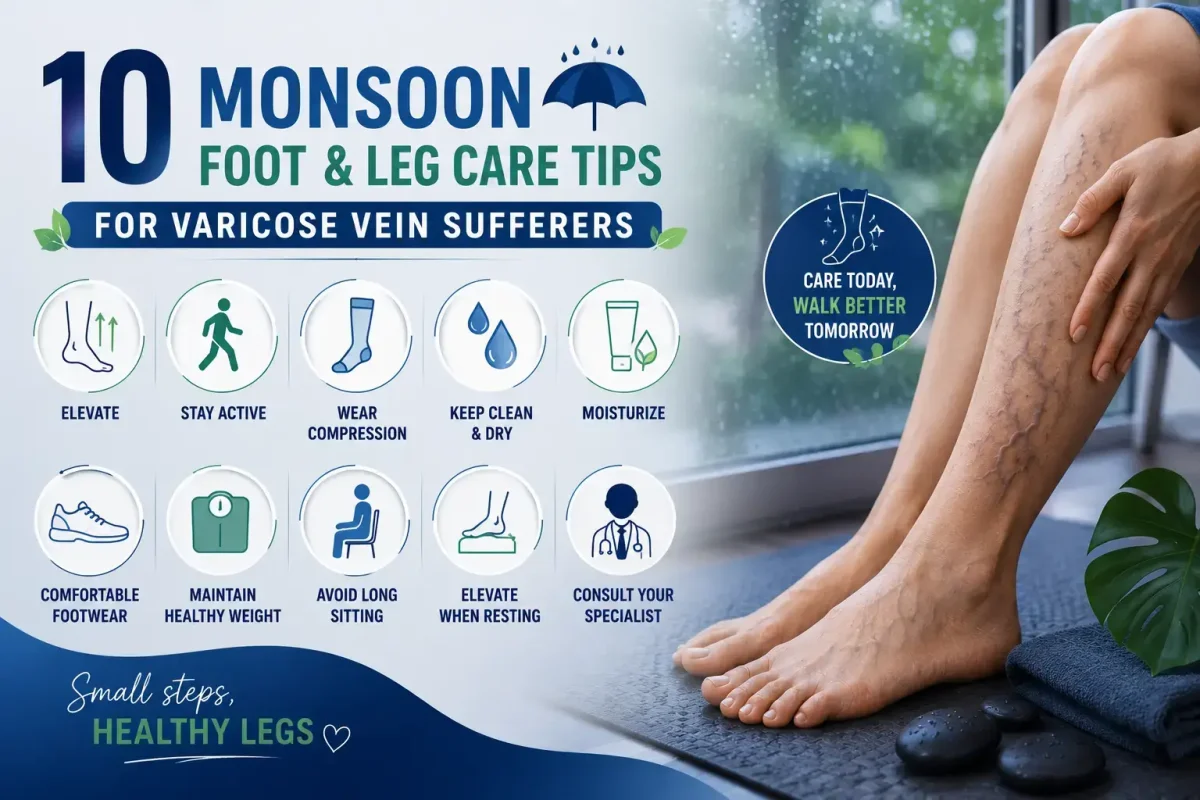
Whether you’re dealing with normal seasonal swelling or something more, here are a few things that genuinely help:

Keep moving. Even a 10–15 minute indoor walk makes a difference. Ankle circles, calf raises, and gentle stretching improve circulation without needing to brave the rain.

Elevate your legs. When resting, prop your legs up on a pillow so they’re above the level of your heart. Even 20–30 minutes of this a day helps drain pooled blood from the lower limbs.

Watch your salt intake. The vada pavs and pakodas that monsoon tempts us with are delicious but often loaded with salt, which worsens water retention. Balance it out.

Wear compression stockings. If your doctor has recommended these, the monsoon is exactly the time to wear them consistently. They provide gentle pressure that supports your veins and reduces swelling.

Stay hydrated. Counterintuitively, drinking enough water actually reduces water retention by keeping your kidneys and circulatory system working efficiently.

Avoid standing or sitting in one position for too long. If you work at a desk or spend long hours on your feet, make a habit of shifting position and taking short breaks to walk around every hour.

When to See a Doctor

If your leg swelling is new, worsening, or comes with any of the warning signs mentioned above don’t wait for the monsoon to pass. Varicose veins are a progressive condition, meaning they tend to get worse over time without treatment. The earlier you seek an evaluation, the more treatment options are available to you, and the simpler the process tends to be.

Modern treatment for varicose veins is minimally invasive, quick, and highly effective. Most procedures are done on an outpatient basis, with little to no downtime meaning you could be back on your feet (literally) the same day.

The Bottom Line

Some leg swelling during the monsoon is normal and harmless. But if your legs feel persistently heavy, achy, or swollen or if you can see or feel enlarged veins it’s worth getting a professional opinion.

At Surekha Varicose Veins, we see a significant increase in patients during and just after the monsoon season, because this is when symptoms become impossible to ignore. Our team of experienced specialists can help you understand exactly what’s going on with your veins and guide you toward the right solution — whether that’s lifestyle changes, compression therapy, or a minimally invasive procedure.

Don’t let swollen legs slow you down this monsoon. Come in for a consultation, and let’s get to the root of it together.

Book your appointment with Surekha Varicose Veins today. Because healthy legs aren’t a luxury — they’re something you deserve.

Consult Now

Consult Dr. Ashish Dhadas at Surekha Varicose Veins Clinic to receive expert evaluation and personalized treatment.

Surekha Varicose Veins Clinic
Address: 2nd Floor, Surekha Varicose Veins Clinic, Swara Emerald, Dr R.P. Rd, Tilak Nagar, Dombivli East, Thane, Dombivli, Maharashtra 421201
Phone: 094038 90477

Book your consultation today and take the first step toward pain-free, healthier legs.

Diet Tips to Improve Circulation and Reduce Varicose Vein Symptoms

Diet Tips to Improve Circulation and Reduce Varicose Vein Symptoms

Diet Tips to Improve Circulation and Reduce Varicose Vein Symptoms

If you’ve ever noticed those bluish, twisted veins running along your legs, you’re not alone. Varicose veins affect millions of people and while they’re often seen as just a cosmetic concern, they can also cause real discomfort like aching, heaviness, swelling, and fatigue in the legs.

While treatments like sclerotherapy and laser therapy have come a long way, one of the most underrated tools in managing varicose vein symptoms is something you already do every day eating. The right foods can support healthy circulation, strengthen your vein walls, and reduce the inflammation that makes symptoms worse.

Here’s a simple, practical guide to eating well for better vein health.

Why Does Diet Matter for Varicose Veins?

Your veins have a tough job. They push blood back up to your heart against gravity, all day long. The tiny valves inside your veins are what make this possible but over time, these valves can weaken, causing blood to pool and veins to bulge.

Certain foods help by reducing inflammation, improving blood flow, and strengthening the walls of your blood vessels. Others think too much salt, sugar, and processed food can make things worse by increasing water retention and putting extra pressure on your veins.

The good news? Small, consistent changes to your diet can make a noticeable difference.

Foods That Help

1. Foods Rich in Flavonoids

Flavonoids are natural plant compounds that have a wonderful effect on circulation. They help relax blood vessels, reduce blood pressure, and improve blood flow all of which take pressure off those struggling veins.

Great sources include:

  • Berries — blueberries, strawberries, cherries, and blackberries
  • Citrus fruits — oranges, lemons, and grapefruit
  • Dark chocolate (in moderation — the darker, the better!)
  • Onions and garlic
  • Spinach, kale, and other leafy greens

Try to include a handful of berries with your breakfast or swap your usual snack for an orange. These small additions really do add up.

2. High-Fibre Foods

Constipation might not seem related to varicose veins, but they’re more connected than you’d think. Straining during bowel movements puts pressure on the veins in your abdomen and legs, which worsens vein problems over time. A fibre-rich diet keeps things moving and reduces that unnecessary pressure.

Good fibre sources include:

  • Whole grains like oats, brown rice, and whole wheat bread
  • Lentils, chickpeas, and kidney beans
  • Fruits like apples, pears, and bananas
  • Vegetables like broccoli, carrots, and sweet potatoes

If you’re not used to eating a lot of fibre, increase it gradually and drink plenty of water alongside it.

3. Foods High in Vitamin C

Vitamin C is essential for producing collagen and elastin the proteins that keep your vein walls strong and flexible. Without enough of it, blood vessel walls can weaken over time.

Stock up on:

  • Amla (Indian gooseberry) — one of the richest sources of Vitamin C
  • Bell peppers (especially red and yellow ones)
  • Guavas
  • Kiwi, papaya, and mangoes
  • Broccoli and tomatoes

A simple glass of amla juice in the morning or adding bell peppers to your sabzi are easy ways to get more Vitamin C into your day.

4. Foods Rich in Vitamin E

Vitamin E acts as a natural blood thinner and helps prevent clotting, which supports healthy circulation. It also protects cells from damage caused by inflammation.

Find it in:

  • Almonds, walnuts, and sunflower seeds
  • Avocado
  • Spinach and broccoli
  • Sunflower oil and olive oil

A small handful of almonds as an afternoon snack is one of the simplest things you can do for your vein health.

5. Rutin-Rich Foods

Rutin is a lesser-known but powerful compound that helps strengthen capillaries and reduce inflammation. It’s often used in supplements for vein health, but you can also get it from food.

Good sources include:

  • Buckwheat (kuttu — especially popular during fasting seasons in India!)
  • Asparagus
  • Apples (with the skin on)
  • Figs
  • Green tea and black tea

6. Plenty of Water

This one isn’t a food, but it’s just as important. Staying well-hydrated keeps your blood at the right consistency not too thick so it flows easily through your veins. Dehydration, on the other hand, causes blood to thicken and makes circulation sluggish.

Aim for at least 8–10 glasses of water a day, and more if you’re active or it’s hot outside. Coconut water, buttermilk (chaas), and herbal teas also count toward your daily fluids.

Foods to Limit or Avoid

Just as important as what you eat is what you cut back on:

Salty foods: Excess salt causes water retention and swelling, which increases pressure in your leg veins. Watch out for pickles, papads, processed snacks, and packaged foods that are high in sodium.

Refined carbohydrates and sugar: White bread, maida-based snacks, sweets, and sugary drinks can promote inflammation and weight gain, both of which worsen varicose vein symptoms.

Alcohol: Alcohol causes blood vessels to dilate and can interfere with circulation. It also dehydrates you, which thickens the blood.

Fried and processed foods: These are high in unhealthy fats and sodium, contributing to inflammation and poor vascular health.

A Sample Day of Eating for Vein Health

To bring it all together, here’s what a typical day might look like:

Morning: A glass of warm water with lemon → Oats porridge with a handful of mixed berries and almonds → A small bowl of fresh fruit (papaya or guava works great)

Mid-morning: Green tea or coconut water

Lunch: Brown rice or roti with dal, a sabzi made with leafy greens, and a side salad with tomatoes and onions → Chaas

Evening snack: A handful of walnuts or sunflower seeds → An apple with the skin on

Dinner: Buckwheat (kuttu) rotis or multigrain roti with a light vegetable curry → Warm turmeric milk at bedtime (turmeric has excellent anti-inflammatory properties)

Diet alone won’t make varicose veins disappear but it can make a real difference in how you feel day to day. Combined with regular movement (even short walks help), keeping your legs elevated when resting, and wearing compression stockings if recommended by your doctor, good nutrition is a powerful part of managing your vein health.

Conclusion

At Surekha Varicose Veins, we believe that lasting vein health comes from treating the whole person not just the vein. Whether you’re looking for dietary advice, exploring treatment options, or just want to understand your condition better, our team is here to help you every step of the way.

Have questions about varicose veins or want to book a consultation? Get in touch with us today. Healthy veins, healthier you.

Consult Now

Consult Dr. Ashish Dhadas at Surekha Varicose Veins Clinic to receive expert evaluation and personalized treatment.

Surekha Varicose Veins Clinic
Address: 2nd Floor, Surekha Varicose Veins Clinic, Swara Emerald, Dr R.P. Rd, Tilak Nagar, Dombivli East, Thane, Dombivli, Maharashtra 421201
Phone: 094038 90477

Book your consultation today and take the first step toward pain-free, healthier legs.

Can Walking Reduce Varicose Veins?

Can Walking Reduce Varicose Veins?

Can Walking Reduce Varicose Veins?

Varicose veins are enlarged, twisted veins that commonly appear on the legs due to poor blood circulation and weakened vein valves. Many people with varicose veins experience symptoms such as leg pain, swelling, heaviness, and discomfort, especially after standing for long periods.

One of the most frequently asked questions by patients is “Can walking reduce varicose veins?” According to Dr. Ashish Dhadas at Surekha Varicose Veins Clinic, walking is one of the best low-impact exercises for improving blood circulation and supporting vein health. While walking may not completely remove varicose veins, it can help manage symptoms and slow the progression of the condition.

Understanding how walking helps varicose veins and when medical treatment may be necessary can help patients maintain healthier legs and better circulation.

What are Varicose Veins?

Varicose veins occur when the valves inside the veins become weak or damaged, causing blood to pool in the veins instead of flowing properly toward the heart.

This leads to enlarged and visible veins, most commonly in the legs and feet.

Common Symptoms of Varicose Veins

Symptoms may vary depending on the severity of the condition.

Common symptoms include:

  • Bulging blue or purple veins
  • Leg pain or aching
  • Swelling in the legs
  • Heaviness in the legs
  • Burning sensation
  • Muscle cramps
  • Itching around veins
  • Discomfort after prolonged standing

Without treatment, symptoms may gradually worsen over time.

Can Walking Reduce Varicose Veins?

Walking cannot completely eliminate varicose veins, but it is highly beneficial for improving blood circulation and reducing symptoms.

Regular walking helps the calf muscles work more effectively, which supports the veins in pushing blood back toward the heart.

Benefits of Walking for Varicose Veins

1. Improves Blood Circulation

Walking promotes healthy blood flow and reduces blood pooling in the veins.

Better circulation may help reduce swelling and heaviness in the legs.

2. Strengthens Calf Muscles

The calf muscles act as a natural pump for the veins in the legs.

Walking keeps these muscles active and supports healthy vein function.

3. Reduces Leg Swelling

Regular movement helps prevent fluid accumulation in the legs and ankles.

4. Helps Maintain Healthy Weight

Excess body weight increases pressure on leg veins and can worsen varicose veins.

Walking supports weight management and reduces stress on the veins.

5. Reduces Discomfort

People who walk regularly often experience reduced pain, stiffness, and heaviness in the legs.

Best Walking Tips for Varicose Veins

Walking is safe for most people with varicose veins, but following the right techniques can improve its benefits.

Walk Regularly

Aim for at least 30 minutes of walking daily to improve circulation.

Wear Comfortable Footwear

Supportive shoes help reduce strain on the legs.

Avoid Standing for Long Periods

Long hours of standing can worsen vein pressure.

Take short walking breaks whenever possible.

Elevate the Legs

After walking, elevating the legs can help reduce swelling and improve blood flow.

Stay Hydrated

Proper hydration supports healthy circulation and vein function.

Other Lifestyle Changes for Varicose Veins

Along with walking, certain lifestyle modifications can help manage symptoms.

Maintain Healthy Weight

Reducing excess weight lowers pressure on the veins.

Avoid Tight Clothing

Tight clothes around the waist or legs may restrict blood circulation.

Exercise Regularly

Low-impact activities such as cycling, swimming, and yoga can also support vein health.

Use Compression Stockings

Compression stockings help improve circulation and reduce swelling in the legs.

When Walking Alone is Not Enough

While walking helps improve symptoms, advanced varicose veins may require medical treatment.

Consult a specialist if you experience:

  • Severe leg pain
  • Persistent swelling
  • Skin discoloration
  • Non-healing ulcers
  • Bleeding from veins
  • Increasing size of veins

Early treatment can help prevent complications and improve quality of life.

Treatment Options for Varicose Veins

Modern treatments are safe, minimally invasive, and highly effective.

Dr. Ashish Dhadas specializes in advanced varicose veins treatment and minimally invasive procedures that help patients recover faster with less discomfort.

1. EVLT (Endovenous Laser Treatment)

EVLT is a minimally invasive laser procedure used to close damaged veins and improve blood flow.

Benefits of EVLT

  • Minimal pain
  • Faster recovery
  • No major cuts or stitches
  • Short hospital stay

2. Sclerotherapy

A special solution is injected into the affected veins to close them.

3. Surgical Treatment

In severe cases, surgical removal of damaged veins may be recommended.

Conclusion

So, can walking reduce varicose veins? Walking may not completely remove varicose veins, but it is one of the best exercises to improve circulation, reduce swelling, and manage symptoms naturally.

Combining regular walking with healthy lifestyle habits and timely medical care can help improve vein health and prevent complications. If symptoms become severe or affect daily activities, consulting Dr. Ashish Dhadas at Surekha Varicose Veins Clinic can help patients receive proper diagnosis and advanced varicose veins treatment.

Consult Now

Consult Dr. Ashish Dhadas at Surekha Varicose Veins Clinic to receive expert evaluation and personalized treatment.

Surekha Varicose Veins Clinic
Address: 2nd Floor, Surekha Varicose Veins Clinic, Swara Emerald, Dr R.P. Rd, Tilak Nagar, Dombivli East, Thane, Dombivli, Maharashtra 421201
Phone: 094038 90477

Book your consultation today and take the first step toward pain-free, healthier legs.

How Weight Affects Vein Health

How Weight Affects Vein Health

How Weight Affects Vein Health

Maintaining healthy body weight is important not only for overall wellness but also for proper blood circulation and vein health. Excess body weight places additional pressure on the veins, especially in the legs, making it harder for blood to flow efficiently back toward the heart.

Many people are unaware of how weight affects vein health until they begin experiencing symptoms such as leg swelling, heaviness, pain, or visible varicose veins. According to Dr. Ashish Dhadas at Surekha Varicose Veins Clinic, obesity is one of the major risk factors for developing vein-related problems and worsening existing varicose veins.

Understanding the connection between body weight and vein health can help people take preventive steps early and improve circulation naturally.

What are Veins and Why are They Important?

Veins are blood vessels responsible for carrying blood back to the heart. The veins in the legs work against gravity to return blood to the heart, which means they rely on healthy valves and muscle movement to push blood upward.

When the valves inside the veins become weak or damaged, blood begins to collect inside the veins instead of flowing properly. This can lead to enlarged and twisted veins known as varicose veins.

How Excess Weight Affects Vein Health

Excess body weight increases pressure on the veins and affects normal blood circulation.

Over time, this pressure can weaken vein valves and increase the risk of vein disorders.

Ways Weight Impacts Vein Health

1. Increased Pressure on Leg Veins

Extra weight puts continuous pressure on the veins in the lower body.

This makes it harder for blood to travel upward toward the heart, leading to blood pooling in the veins.

2. Poor Blood Circulation

Obesity can slow blood circulation and increase the risk of swelling and discomfort in the legs.

Poor circulation may also contribute to fatigue and heaviness in the lower limbs.

3. Higher Risk of Varicose Veins

People who are overweight are more likely to develop varicose veins due to increased strain on the vein walls and valves.

Varicose veins may gradually worsen if body weight remains uncontrolled.

4. Increased Swelling in the Legs

Excess weight can cause fluid retention and poor circulation, leading to swelling in the legs and ankles.n symptoms.

5. Reduced Physical Activity

People with obesity may be less physically active, which further reduces circulation and weakens calf muscles that support healthy vein function.

Common Symptoms of Poor Vein Health

Symptoms of vein problems may develop gradually over time.

Common symptoms include:

  • Leg pain or aching
  • Swelling in the legs
  • Heaviness in the legs
  • Bulging veins
  • Burning sensation
  • Muscle cramps
  • Skin discoloration
  • Itching around veins

Ignoring these symptoms may increase the risk of complications.

Can Weight Loss Improve Vein Health?

Yes, maintaining healthy weight can significantly improve blood circulation and reduce pressure on the veins.

According to Dr. Ashish Dhadas, weight management is an important part of preventing and managing varicose veins.

Benefits of Weight Loss for Vein Health

1. Improved Circulation

Reducing body weight helps blood flow more efficiently through the veins.

2. Reduced Pressure on Veins

Less pressure on the leg veins helps reduce swelling and discomfort.

3. Better Mobility

Physical activity becomes easier, which further improves circulation.

4. Reduced Risk of Complications

Maintaining healthy weight lowers the risk of severe varicose veins and chronic venous insufficiency.

Lifestyle Tips to Improve Vein Health

Healthy lifestyle habits can support circulation and improve vein function.

Exercise Regularly

Walking, swimming, and cycling are excellent low-impact exercises for improving circulation.

Avoid Prolonged Sitting or Standing

Long periods of sitting or standing can worsen blood pooling in the legs.

Take regular movement breaks throughout the day.

Maintain Healthy Diet

A balanced diet rich in fruits, vegetables, and fiber supports healthy circulation and weight management.

Stay Hydrated

Proper hydration supports blood flow and overall vascular health.

Use Compression Stockings

Compression stockings can help improve circulation and reduce swelling in the legs.

Treatment Options for Vein Problems

Lifestyle changes may help in early stages, but advanced vein problems may require medical treatment.

Dr. Ashish Dhadas specializes in modern varicose veins treatments that help improve circulation and reduce discomfort.

1. EVLT (Endovenous Laser Treatment)

EVLT is a minimally invasive laser procedure used to close damaged veins and redirect blood flow to healthier veins.

Benefits of EVLT

  • Minimal pain
  • Faster recovery
  • No large cuts or stitches
  • Short hospital stay

2. Sclerotherapy

A medical solution is injected into affected veins to close them.

3. Surgical Treatment

Severe varicose veins may sometimes require surgical intervention.

When to Consult a Vein Specialist

Consult a doctor if you experience:

  • Persistent leg pain
  • Swelling in the legs
  • Visible bulging veins
  • Skin changes near veins
  • Leg ulcers
  • Increasing discomfort while standing

Early treatment can help prevent complications and improve quality of life.

Conclusion

Understanding how weight affects vein health is important for preventing circulation problems and varicose veins. Excess body weight increases pressure on the veins, affects blood flow, and may worsen vein-related symptoms over time.

Maintaining healthy weight, staying physically active, and seeking timely treatment can help improve vein health and reduce complications. If you experience persistent symptoms related to varicose veins or poor circulation, consulting Dr. Ashish Dhadas at Surekha Varicose Veins Clinic can help you receive proper diagnosis and advanced treatment options.

Consult Now

Consult Dr. Ashish Dhadas at Surekha Varicose Veins Clinic to receive expert evaluation and personalized treatment.

Surekha Varicose Veins Clinic
Address: 2nd Floor, Surekha Varicose Veins Clinic, Swara Emerald, Dr R.P. Rd, Tilak Nagar, Dombivli East, Thane, Dombivli, Maharashtra 421201
Phone: 094038 90477

Book your consultation today and take the first step toward pain-free, healthier legs.