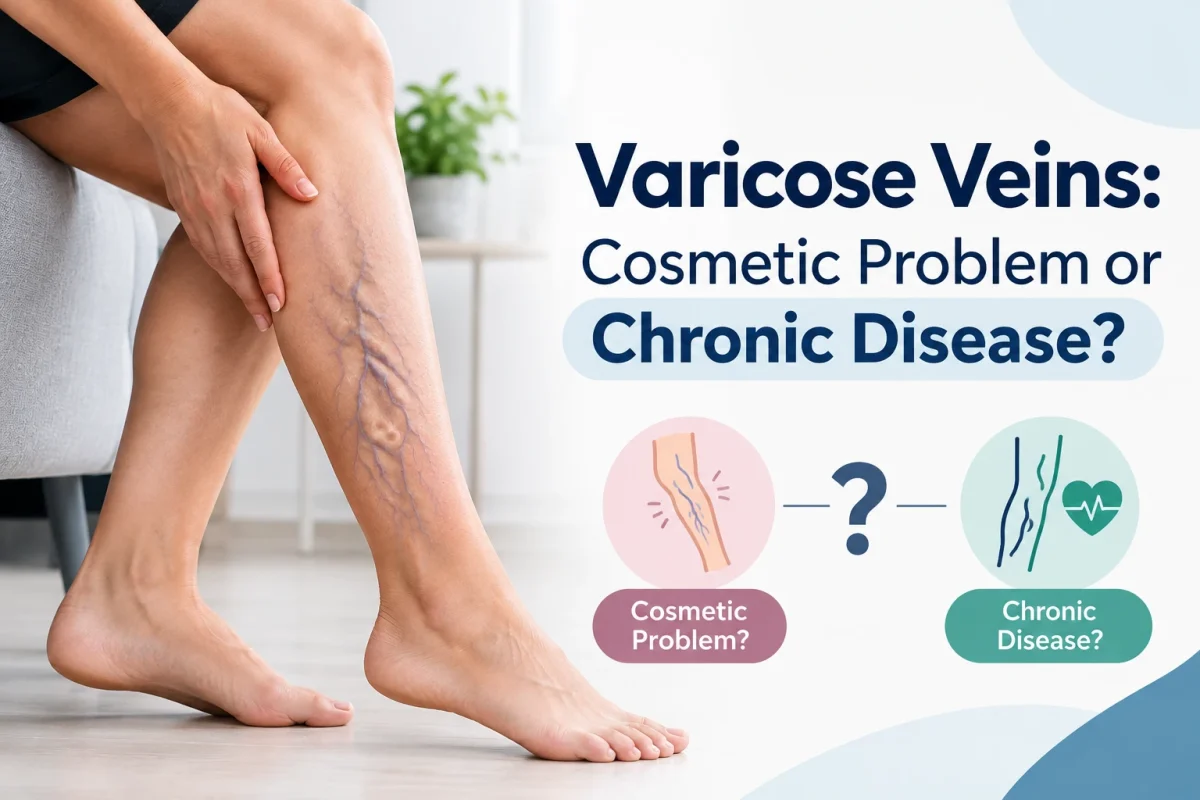
Varicose Veins Itch

Why Do Varicose Veins Itch?

Why Do Varicose Veins Itch?

If you have varicose veins, you may have noticed an uncomfortable and persistent itching sensation around the affected area. While many people associate varicose veins with visible bulging veins or leg pain, itching is another common and often overlooked symptom.

This leads to a common question: “Why do varicose veins itch?”

The answer lies in changes happening beneath the skin particularly in blood flow and vein health. In this blog, we’ll explain the causes of itchy varicose veins, associated symptoms, and the best ways to manage and treat them.

What Are Varicose Veins?

Varicose veins are enlarged, twisted veins that occur when vein valves weaken, causing blood to pool in the legs. This leads to:

  • Increased pressure in veins
  • Poor circulation
  • Visible swelling and discoloration

Over time, these changes can also affect the surrounding skin leading to itching and irritation.

Why Do Varicose Veins Itch?

The itching associated with varicose veins is not just a surface issue it is linked to underlying vascular problems.

  1. Poor Blood Circulation

When veins are not functioning properly:

  • Blood collects in the lower legs
  • Pressure builds up in veins
  • Tissues receive less oxygen and nutrients

This poor circulation can irritate the skin, causing itching around varicose veins.

  1. Inflammation of Veins

Damaged veins can trigger inflammation in surrounding tissues.

This leads to:

  • Redness
  • Warmth
  • Irritation

Inflammation is a major reason for itchy and irritated skin near varicose veins.

3. Venous Eczema (Stasis Dermatitis)

One of the most common causes of itching is venous eczema, also known as stasis dermatitis.

Symptoms include:

  • Dry, flaky skin
  • Intense itching
  • Red or brown discoloration
  • Thickened skin over time

This condition occurs due to chronic venous insufficiency.

4. Fluid Leakage into Surrounding Tissues

Increased pressure in veins can cause fluid to leak into nearby tissues.

This results in:

  • Swelling (edema)
  • Skin irritation
  • Persistent itching

5. Skin Dryness and Damage

Poor circulation can affect skin health, leading to:

  • Dryness
  • Sensitivity
  • Increased urge to scratch

Scratching can further damage the skin and worsen symptoms.

Why You Should Not Ignore Itching

Many people ignore itching in varicose veins, assuming it’s minor. However, it can be an early warning sign of worsening vein disease.

Risks of ignoring itching:

  • Skin infections
  • Open wounds or ulcers
  • Bleeding from scratched veins
  • Progression to severe venous disease
Symptoms That May Accompany Itching

If your varicose veins itch, you may also notice:

  • Swelling in legs or ankles
  • Heaviness or aching in legs
  • Skin discoloration (brown or purple)
  • Burning or throbbing sensation
  • Thickened or hardened skin

These symptoms indicate underlying vein circulation problems.

How to Relieve Itchy Varicose Veins

Managing itching requires both symptom relief and treating the root cause.

  1. Avoid Scratching

Scratching may give temporary relief but can:

  • Damage the skin
  • Cause infections
  • Lead to bleeding
  1. Moisturize Regularly

Use gentle, fragrance-free moisturizers to:

  • Reduce dryness
  • Soothe irritated skin
  1. Use Compression Stockings

Compression stockings help:

  • Improve blood circulation
  • Reduce swelling
  • Minimize itching
  1. Elevate Your Legs

Raising your legs above heart level:

  • Reduces pressure in veins
  • Improves blood flow
  • Relieves discomfort
  1. Stay Physically Active

Regular movement helps:

  • Improve circulation
  • Prevent blood pooling
  • Reduce symptoms
  1. Medications (If Needed)

Doctors may prescribe:

  • Anti-inflammatory creams
  • Antihistamines for itching
  • Topical steroids (in some cases)
When Should You See a Doctor?

You should consult a specialist if:

  • Itching is persistent or severe
  • Skin becomes discolored or thickened
  • You notice open sores or wounds
  • There is swelling or pain

Early medical intervention can prevent complications.

Treatment Options for Varicose Veins

If itching is due to underlying vein issues, treating the veins is the most effective solution.

Minimally Invasive Treatments

Modern procedures include:

  • Laser treatment for varicose veins
  • Radiofrequency ablation
  • Sclerotherapy

These treatments:

  • Target damaged veins
  • Improve blood flow
  • Provide long-term relief from symptoms
Expert Care at Surekha Varicose Veins Clinic

If you are experiencing itchy varicose veins, expert evaluation is essential.

At Surekha Varicose Veins Clinic, patients receive specialized care for all types of vein conditions.

Dr. Ashish Dhadas, an experienced vascular specialist, focuses on:

  • Identifying the root cause of symptoms
  • Providing advanced, minimally invasive treatments
  • Offering personalized care plans

His approach ensures effective relief from both visible veins and symptoms like itching.

Why Early Treatment Matters

Ignoring symptoms like itching can lead to:

  • Skin damage
  • Ulcers
  • Chronic venous disease

Early treatment helps:

  • Prevent complications
  • Improve comfort
  • Restore healthy circulation
Conclusion

So, why do varicose veins itch?
The itching is mainly caused by poor circulation, inflammation, and skin changes associated with vein damage.

While it may seem like a minor issue, it can be an early sign of worsening vein health. Managing symptoms early and seeking expert care can prevent serious complications.

If you’re dealing with itching varicose veins, don’t ignore it – your body is signaling that it needs attention.

Consult Now

Consult Dr. Ashish Dhadas at Surekha Varicose Veins Clinic to receive expert evaluation and personalized treatment.

Surekha Varicose Veins Clinic
Address: 2nd Floor, Surekha Varicose Veins Clinic, Swara Emerald, Dr R.P. Rd, Tilak Nagar, Dombivli East, Thane, Dombivli, Maharashtra 421201
Phone: 094038 90477

Book your consultation today and take the first step toward pain-free, healthier legs.

Are IT Professionals More Prone to Varicose Veins?

Are IT Professionals More Prone to Varicose Veins?

Are IT Professionals More Prone to Varicose Veins?

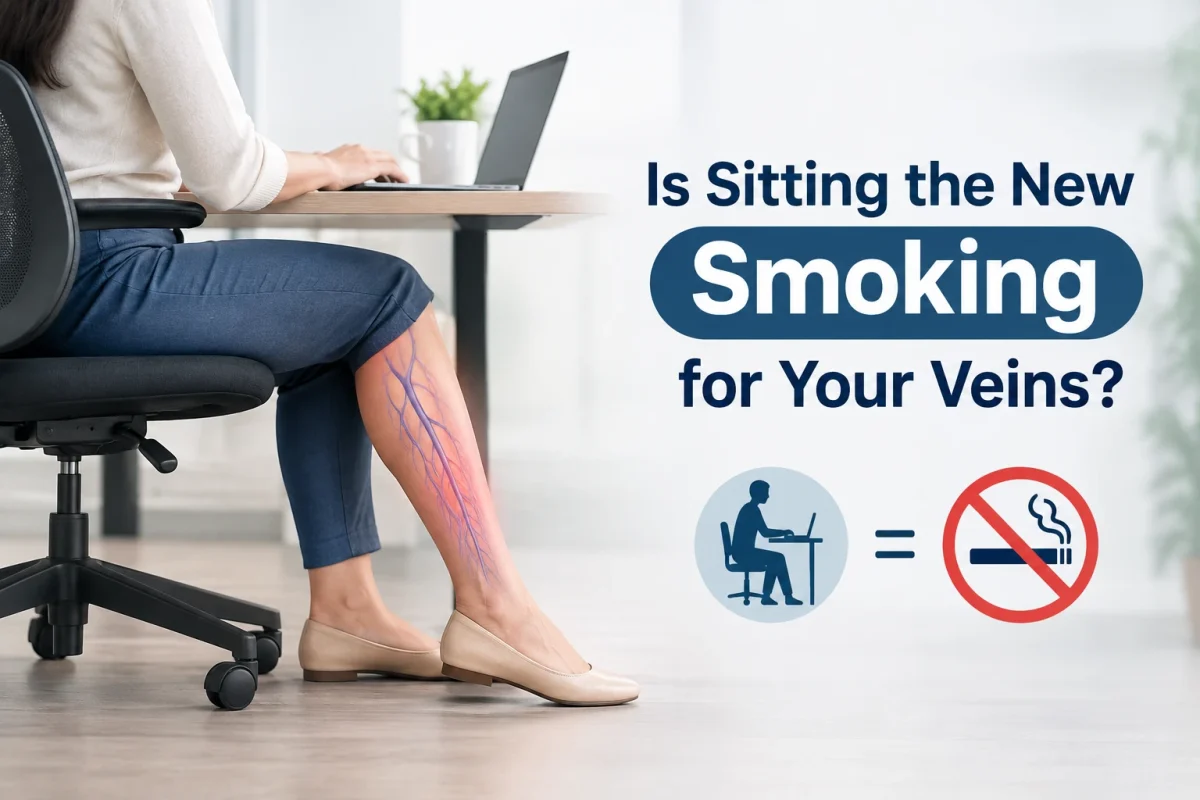
In today’s digital world, IT professionals spend long hours sitting in front of screens, often with minimal movement throughout the day. While this lifestyle supports productivity, it can silently affect your health- especially your veins.

A growing concern among desk-job workers is the rising incidence of varicose veins. This raises an important question: Are IT professionals more prone to varicose veins?

The answer is yes prolonged sitting and sedentary habits significantly increase the risk. In this blog, we’ll explore why IT professionals are at higher risk, early warning signs, prevention tips, and effective treatment options.

What Are Varicose Veins?

Varicose veins are enlarged, twisted veins that usually appear on the legs and feet. They occur when the valves inside the veins weaken or fail, causing blood to pool instead of flowing properly back to the heart.

Common characteristics:

  • Bulging, visible veins
  • Blue or purple discoloration
  • Rope-like appearance

They are not just a cosmetic issue-  varicose veins can lead to discomfort and serious complications if ignored.

Why Are IT Professionals at Higher Risk?

The nature of IT jobs involves long hours of sitting, which directly impacts blood circulation.

1. Prolonged Sitting

Sitting for extended periods slows down blood flow in the legs.

  • Blood pools in lower limbs
  • Increased pressure on veins
  • Weakening of vein valves

This is one of the biggest contributors to varicose veins in IT professionals.

  1. Lack of Movement

Minimal physical activity reduces muscle contractions that help push blood upward.

Without movement:

  • Circulation becomes sluggish
  • Veins experience more strain

3. Poor Posture

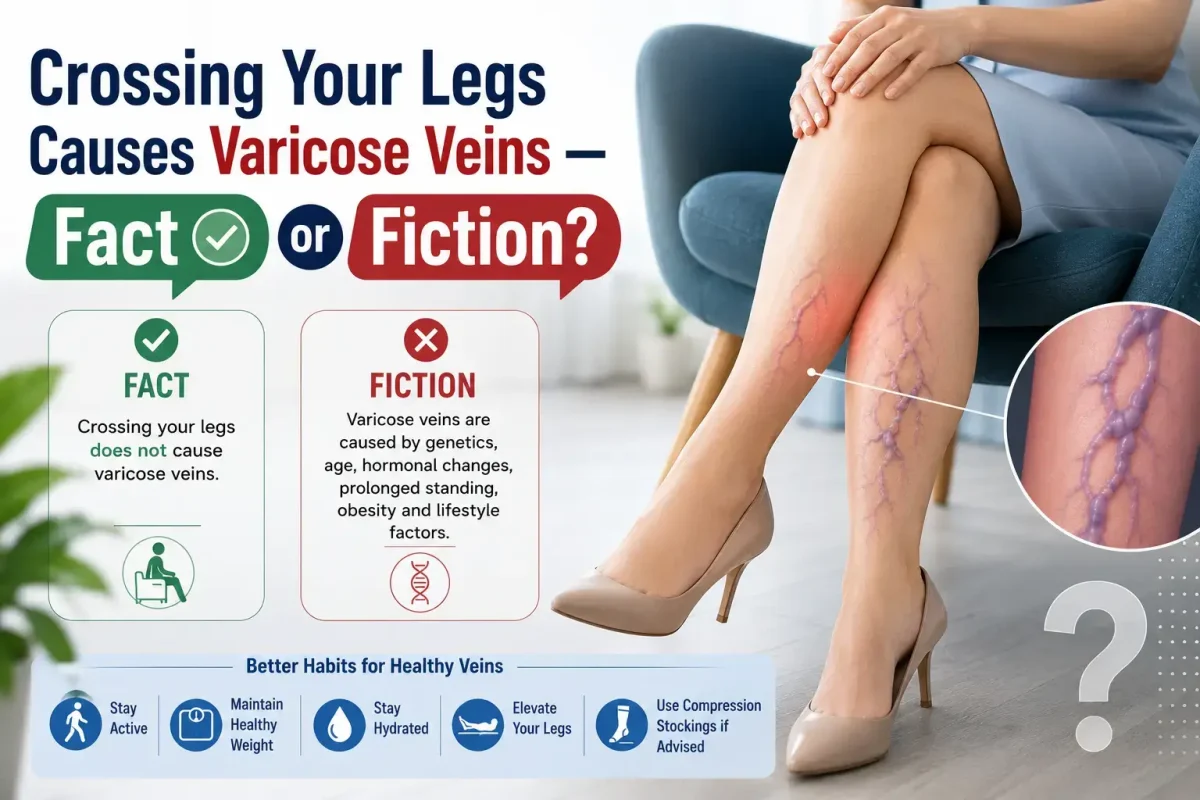
Sitting with crossed legs or improper posture can restrict blood flow.

  • Compression of veins
  • Increased venous pressure
  • Higher risk of vein damage


4. Long Working Hours

Extended work shifts without breaks worsen the condition.

  • Continuous pressure on leg veins
  • Delayed symptom recognition

5. Work-from-Home Lifestyle

Since remote work became common, many professionals:

  • Sit longer without structured breaks
  • Use non-ergonomic furniture
  • Less movement as compared to work from office

This has further increased cases of varicose veins due to sedentary lifestyle.

Early Signs You Shouldn’t Ignore

Recognizing early symptoms can help prevent complications.

Common warning signs:

  • Aching or heavy legs
  • Swelling in feet and ankles
  • Burning or throbbing sensation
  • Visible veins
  • Muscle cramps (especially at night)
  • Itching around veins

Ignoring these signs can lead to worsening of chronic venous insufficiency.

How Serious Are Varicose Veins?

Many people ignore varicose veins thinking they are harmless. However, untreated cases can lead to:

Possible complications:

  • Skin discoloration
  • Venous ulcers (non-healing wounds)
  • Blood clots
  • Persistent pain and swelling

Early intervention is key to avoiding these complications.

Who Else Is at Risk?

While IT professionals are at high risk, other factors also contribute:

  • Age (above 30–40 years)
  • Obesity
  • Pregnancy
  • Family history
  • Prolonged standing jobs

A combination of these factors increases the likelihood of developing varicose veins.

Prevention Tips for IT Professionals

The good news is that varicose veins can often be prevented with simple lifestyle changes.

  1. Take Regular Breaks

Follow the 30–45 minute rule:

  • Stand up
  • Walk around
  • Stretch your legs

Even short breaks can improve circulation.

  1. Practice Leg Exercises

Simple exercises at your desk can help:

  • Ankle rotations
  • Heel raises
  • Leg lifts

These movements boost blood flow and reduce pressure on veins.

  1. Maintain Proper Posture
  • Keep feet flat on the floor
  • Avoid crossing legs
  • Use ergonomic chairs

Good posture reduces strain on leg veins.

  1. Stay Active

Regular physical activity like:

  • Walking
  • Cycling
  • Swimming

helps strengthen muscles and improve circulation.

  1. Wear Compression Stockings

Compression stockings support vein function by:

  • Improving blood flow
  • Reducing swelling
  • Preventing progression
  1. Maintain a Healthy Weight

Excess weight increases pressure on veins, so maintaining a healthy BMI is essential.

  1. Stay Hydrated

Proper hydration improves blood flow and overall vascular health.

Treatment Options for Varicose Veins

If symptoms persist, medical treatment may be required.

  1. Lifestyle Management

In early stages, doctors recommend:

  • Exercise
  • Weight management
  • Compression therapy
  1. Minimally Invasive Treatments

Modern treatments are quick, safe, and effective.

Common procedures include:

  • Laser treatment for varicose veins
  • Radiofrequency ablation
  • Sclerotherapy

These procedures:

  • Are minimally invasive
  • Require little to no downtime
  • Provide long-term relief
  1. Surgical Options

In advanced cases, surgery may be required, though it is less common today due to advanced techniques.

When Should You See a Specialist?

You should consult a doctor if you experience:

  • Persistent leg pain
  • Visible bulging veins
  • Swelling that doesn’t go away
  • Skin changes or ulcers
  • Difficulty standing for long periods

Early consultation can prevent complications and ensure effective treatment.

Expert Care at Surekha Varicose Veins Clinic

When it comes to treating varicose veins in IT professionals, specialized care makes all the difference.

At Surekha Varicose Veins Clinic, patients receive advanced, personalized treatment for vein-related conditions.

Dr. Ashish Dhadas, an experienced vascular specialist, focuses on:

  • Accurate diagnosis using advanced imaging
  • Minimally invasive procedures
  • Long-term prevention strategies
  • Patient-centric care

His expertise ensures that patients not only get relief from symptoms but also prevent recurrence.

Why Early Treatment Matters

Delaying treatment can lead to:

  • Worsening symptoms
  • Increased complications
  • More complex procedures

Early intervention ensures:

  • Faster recovery
  • Better outcomes
  • Improved quality of life
IT Lifestyle vs Vein Health: Finding Balance

Being in the IT field doesn’t mean you are destined to develop varicose veins. With awareness and small daily changes, you can significantly reduce your risk.

Key takeaways:

  • Move regularly
  • Maintain healthy habits
  • Don’t ignore early symptoms
  • Seek expert advice when needed
Conclusion

So, are IT professionals more prone to varicose veins?
Yes due to prolonged sitting, lack of movement, and sedentary work habits.

However, the condition is preventable and treatable with the right approach.

By making simple lifestyle adjustments and seeking timely medical care, you can protect your vein health and avoid long-term complications.

If you’re experiencing symptoms, don’t wait-  early diagnosis and expert treatment can make all the difference.

Consult Now

Consult Dr. Ashish Dhadas at Surekha Varicose Veins Clinic to receive expert evaluation and personalized treatment.

Surekha Varicose Veins Clinic
Address: 2nd Floor, Surekha Varicose Veins Clinic, Swara Emerald, Dr R.P. Rd, Tilak Nagar, Dombivli East, Thane, Dombivli, Maharashtra 421201
Phone: 094038 90477

Book your consultation today and take the first step toward pain-free, healthier legs.

Varicose Veins After Pregnancy

Varicose Veins After Pregnancy: Will They Go Away?

Varicose Veins After Pregnancy: Will They Go Away?

Pregnancy brings many changes to a woman’s body, and one common concern many new mothers notice is the appearance of varicose veins on the legs. These veins may look swollen, twisted, or bluish and can sometimes cause heaviness, itching, or discomfort.

A common question women ask is: Will varicose veins disappear after pregnancy, or do they require treatment?”

In many cases, mild veins improve after delivery. However, some veins persist and may require professional care. If you are looking for varicose veins treatment in Mumbai, consulting a specialist can help prevent complications and restore vein health.

At Surekha Varicose Veins Clinic, Dr. Ashish Dhadas offers advanced and minimally invasive solutions for varicose veins, spider veins, and other vein-related conditions.

Why Do Varicose Veins Develop During Pregnancy?

Pregnancy increases pressure on the veins in the legs. Several factors contribute to the development of varicose veins during this time.

Increased Blood Volume

During pregnancy, blood volume increases significantly to support the growing baby. This extra blood can put pressure on veins and cause them to enlarge.

Hormonal Changes

Pregnancy hormones relax the vein walls, making them more likely to stretch and form varicose veins.

Pressure from the Growing Uterus

As the uterus grows, it presses on the pelvic veins, slowing blood flow from the legs back to the heart.

Family History

Women with a family history of vein problems are more likely to develop varicose veins during pregnancy.

Will Varicose Veins Go Away After Pregnancy?

In some cases, varicose veins may improve within 3–6 months after childbirth as hormone levels stabilise and pressure on the veins decreases.

However, veins may not completely disappear if:

  • The veins were severe during pregnancy
  • There were vein problems before pregnancy
  • There have been Multiple pregnancies
  • There is a strong genetic predisposition

When varicose veins remain after delivery, seeking varicose veins treatment in Mumbai can help improve both appearance and comfort.

Common Symptoms of Post-Pregnancy Varicose Veins

Many women experience symptoms such as:

  • Bulging blue or purple veins
  • Leg heaviness
  • Swelling in the ankles
  • Burning or itching sensation
  • Leg cramps at night
  • Skin discolouration around veins
    If these symptoms persist, it is advisable to consult a varicose veins specialist in Mumbai.
Effective Varicose Vein Treatments Available in Mumbai

Modern treatments are minimally invasive and designed for quick recovery. At Surekha Varicose Veins Clinic, patients can benefit from advanced procedures.

Laser Treatment for Varicose Veins

Laser therapy seals the affected vein using targeted heat energy, causing it to close and eventually be absorbed by the body.

Benefits

  • No major surgery
  • Minimal discomfort
  • Quick recovery
  • Effective results

This is one of the most recommended options for laser varicose vein treatment in Mumbai.

Radiofrequency Ablation (RFA)

This treatment uses radiofrequency energy to close damaged veins.

Advantages

  • Minimally invasive
  • Performed under local anesthesia
  • Very little downtime

It is widely used for advanced varicose veins treatment in Mumbai.

CLaCS Treatment for Spider Veins

CLaCS (Cryo Laser and Cryo Sclerotherapy) is an advanced solution for spider veins and small varicose veins.

This treatment is popular for patients looking for cosmetic spider vein treatment in Mumbai.

Tips to Manage Varicose Veins After Pregnancy

While some veins improve naturally, these lifestyle tips can help reduce discomfort:

  • Elevate your legs when resting
  • Avoid standing for long hours
  • Wear compression stockings
  • Maintain a healthy weight
  • Engage in light exercise such as walking
  • Avoid tight clothing around the waist and legs

These steps can support circulation and prevent the condition from worsening.

When Should You See a Varicose Vein Specialist?

You should consult a doctor if:

  • Varicose veins remain months after delivery
  • Pain or swelling increases
  • Skin around the veins changes color
  • There are signs of ulcers or bleeding

Early diagnosis helps prevent complications and ensures the most effective treatment.

Varicose Veins Treatment in Mumbai by Dr. Ashish Dhadas

If you are experiencing persistent veins after pregnancy, expert care can help you regain comfort and confidence.

Dr. Ashish Dhadas at Surekha Varicose Veins Clinic provides advanced, minimally invasive treatments for patients across Mumbai, Thane, and Dombivli.

Patients choose the clinic for:

  • Specialized vein care
  • Modern treatment technology
  • Personalized treatment plans
  • Safe and hygienic environment

Experienced varicose vein specialist
in care.

Key Highlights

  • Specialized varicose vein clinic
  • Advanced minimally invasive treatments
  • Personalized treatment plans
  • Modern diagnostic technology
  • Safe and hygienic environment

Dr. Dhadas carefully evaluates each patient’s condition and recommends the least painful and most effective treatment.

Book a Consultation for Varicose Vein Treatment in Dombivli

If pregnancy-related varicose veins are affecting your comfort or confidence, professional treatment can provide lasting relief.

Consult Dr. Ashish Dhadas at Surekha Varicose Veins Clinic to receive expert evaluation and personalized treatment.

Surekha Varicose Veins Clinic
Address: 2nd Floor, Surekha Varicose Veins Clinic, Swara Emerald, Dr R.P. Rd, Tilak Nagar, Dombivli East, Thane, Dombivli, Maharashtra 421201
Phone: 094038 90477

Book your consultation today and take the first step toward pain-free, healthier legs.

Varicose Vein Treatment in Dombivli

Is Varicose Vein Treatment Painful?

Is Varicose Vein Treatment Painful? | Expert Guide by Dr. Ashish Dhadas

Varicose veins are a common vascular condition that affects many people, especially those who stand for long hours, travel frequently, or have a family history of vein disorders. One of the most common concerns patients have before seeking treatment is: “Is varicose vein treatment painful?”

The good news is that modern varicose vein treatments are minimally invasive, safe, and involve very little discomfort. At Surekha Varicose Veins Clinic in Dombivli, Dr. Ashish Dhadas provides advanced treatments designed to eliminate varicose veins with minimal pain and quick recovery.

This blog explains what to expect during treatment, the pain levels involved, and why early treatment is important.

Understanding Varicose Veins

Varicose veins are swollen, twisted veins that usually appear on the legs due to weakened valves that disrupt normal blood flow. Instead of flowing upward toward the heart, blood collects in the veins, causing them to enlarge.

Common Symptoms of Varicose Veins

  • Visible bulging veins
  • Leg heaviness or fatigue
  • Swelling in the legs or ankles
  • Burning or throbbing sensation
  • Night cramps
  • Skin discoloration

If ignored, varicose veins may lead to complications such as skin ulcers, bleeding, or blood clots.

Is Varicose Vein Treatment Painful?

Most modern varicose vein treatments are designed to be virtually painless. Earlier surgical procedures required incisions and longer recovery, but today’s techniques are minimally invasive and performed under local anesthesia.

Patients may feel:

  • Mild pressure
  • Slight warmth
  • Minimal discomfort

However, significant pain is uncommon, and most patients return to normal activities within a short period.

At Surekha Varicose Veins Clinic, Dr. Ashish Dhadas focuses on advanced non-surgical and minimally invasive procedures that reduce pain and downtime.

Modern Varicose Vein Treatments with Minimal Pain at Surekha Varicose Veins Clinic

1. Laser Treatment (Endovenous Laser Therapy – EVLT)

Laser therapy is one of the most commonly used treatments for varicose veins.

Procedure Overview:

  • A thin laser fiber is inserted into the affected vein.
  • Laser energy seals the damaged vein.
  • Blood is naturally redirected to healthy veins.

Pain Level:
Minimal discomfort due to local anesthesia.

Recovery:
Patients usually resume normal activities within a short period, depending on their recovery

2. CLaCS Treatment for Spider Veins

CLaCS (Cryo Laser and Cryo Sclerotherapy) is an advanced treatment used for spider veins and small varicose veins.

Advantages:

  • No surgery
  • Minimal discomfort
  • Excellent cosmetic results
  • Quick procedure

Many patients prefer this treatment because it is safe, effective, and almost painless.

What You May Feel After Treatment

After the procedure, some patients may experience mild symptoms such as:

  • Slight soreness
  • Mild bruising
  • Tightness in the treated area

These symptoms are temporary and usually disappear within a few days.

Wearing compression stockings and following your doctor’s instructions can help speed up recovery.

Why Early Treatment is Important

Ignoring varicose veins may worsen the condition over time. Early treatment helps:

  • Prevent complications
  • Improve blood circulation
  • Reduce pain and swelling
  • Improve the appearance of legs
  • Boost confidence

Consulting a vein specialist early ensures the most comfortable and effective treatment option.

Why Choose Surekha Varicose Veins Clinic in Dombivli?

Patients trust Dr. Ashish Dhadas for advanced and patient-focused vein care.

Key Highlights

  • Specialized varicose vein clinic
  • Advanced minimally invasive treatments
  • Personalized treatment plans
  • Modern diagnostic technology
  • Safe and hygienic environment

Dr. Dhadas carefully evaluates each patient’s condition and recommends the least painful and most effective treatment.

When Should You See a Varicose Vein Specialist?

You should consult a specialist if you notice:

  • Visible bulging veins
  • Leg heaviness or pain
  • Persistent swelling
  • Skin discoloration
  • Leg ulcers or itching

Early diagnosis helps prevent complications and ensures better treatment outcomes.

Book a Consultation for Varicose Vein Treatment in Dombivli

If you are worried about pain during varicose vein treatment, modern medical technology has made these procedures comfortable, quick, and highly effective.

Consult Dr. Ashish Dhadas at Surekha Varicose Veins Clinic to receive expert evaluation and personalized treatment.

Surekha Varicose Veins Clinic
Address: 2nd Floor, Surekha Varicose Veins Clinic, Swara Emerald, Dr R.P. Rd, Tilak Nagar, Dombivli East, Thane, Dombivli, Maharashtra 421201
Phone: 094038 90477

Book your consultation today and take the first step toward pain-free, healthier legs.

varicose veins

Untreated Varicose Veins: Possible Complications

Untreated Varicose Veins: Possible Complications

Varicose veins are often brushed off as a cosmetic issue something that looks unpleasant but doesn’t really need medical attention. Because of this, many people live with them for years, ignoring symptoms like heaviness or swelling.

However, untreated varicose veins can lead to several medical complications over time. Patients visiting Surekha Varicose Veins for varicose veins treatment in Mumbai often wish they had sought help earlier before complications set in.

Let’s understand what can happen when varicose veins are left untreated.

Why Varicose Veins Worsen Over Time

Varicose veins develop when the valves inside leg veins (small flaps that help blood flow upward toward the heart) stop working properly. This causes blood to flow backward and pool in the veins, increasing pressure.

Without treatment or monitoring, this pressure:

  • Continues to damage veins
  • Affects surrounding skin and tissues
  • Leads to progressive vein disease (a condition that gradually worsens over time if untreated).

Varicose veins rarely improve on their own.

Common Complications of Untreated Varicose Veins
1. Chronic Leg Pain and Heaviness

One of the earliest complications is ongoing discomfort. Over time, you may experience:

  • Aching or throbbing pain
  • Heavy, tired legs by the end of the day
  • Night cramps or restlessness

These symptoms can interfere with work, sleep, and daily activities.

2. Persistent Swelling of Legs and Ankles

Poor circulation allows fluid to leak into surrounding tissues, causing:

  • Swollen ankles and feet
  • Tightness in the lower legs

Swelling that doesn’t improve with rest is often a sign of advancing vein disease.

3. Skin Changes and Discoloration

Long-standing varicose veins can damage the skin, leading to:

  • Dark brown or purplish discoloration around the ankles
  • Dry, itchy, or flaky skin
  • Thickened or hardened skin

These changes are often mistaken for skin conditions but are actually vein-related.

4. Venous Eczema

Venous eczema (a skin condition caused by poor blood flow in the veins) causes redness, itching, scaling, and irritation around affected veins. Scratching can break the skin, increasing the risk of infection if left untreated.

5. Blood Clots (Superficial Thrombophlebitis)

Untreated varicose veins can lead to inflammation and clot formation in superficial veins, causing:

  • Painful, hard, cord-like veins
  • Redness and warmth over the skin

While usually less dangerous than deep vein clots, this still needs medical attention.

6. Bleeding From Varicose Veins

Varicose veins lie close to the skin surface. Even a small cut or bump can cause significant bleeding, sometimes requiring urgent care.

7. Venous Leg Ulcers

One of the most serious complications is the development of venous ulcers, usually near the ankle. These ulcers:

  • Heal very slowly
  • Are prone to infection
  • Tend to recur

Ulcers indicate advanced vein disease and require specialised treatment.

Who Is at Higher Risk of Complications?

You should consult a doctor if you notice:

  • Increasing leg pain or swelling
  • Skin color changes near the ankles
  • Itching, rashes, or open sores
  • Bleeding from veins

These signs suggest that varicose veins are no longer just a cosmetic concern.

Varicose Veins Care at Surekha Varicose Veins

At Surekha Varicose Veins, Dr. Ashish Dhadas focuses on:

  • Accurate diagnosis with Doppler vein mapping (a painless ultrasound scan that shows blood flow in the veins)
  • Modern, minimally invasive treatments
  • Preventing long-term complications
  • Patient education and follow-up care

Patients seeking varicose veins treatment in Mumbai benefit from a personalised, long-term approach rather than temporary fixes.

Final Thoughts

Untreated varicose veins can lead to serious complications but most are preventable.

With early diagnosis, proper treatment, and lifestyle guidance, vein disease can be controlled before it affects quality of life. If you’ve been living with varicose veins and noticing worsening symptoms, consulting an experienced specialist can make all the difference.