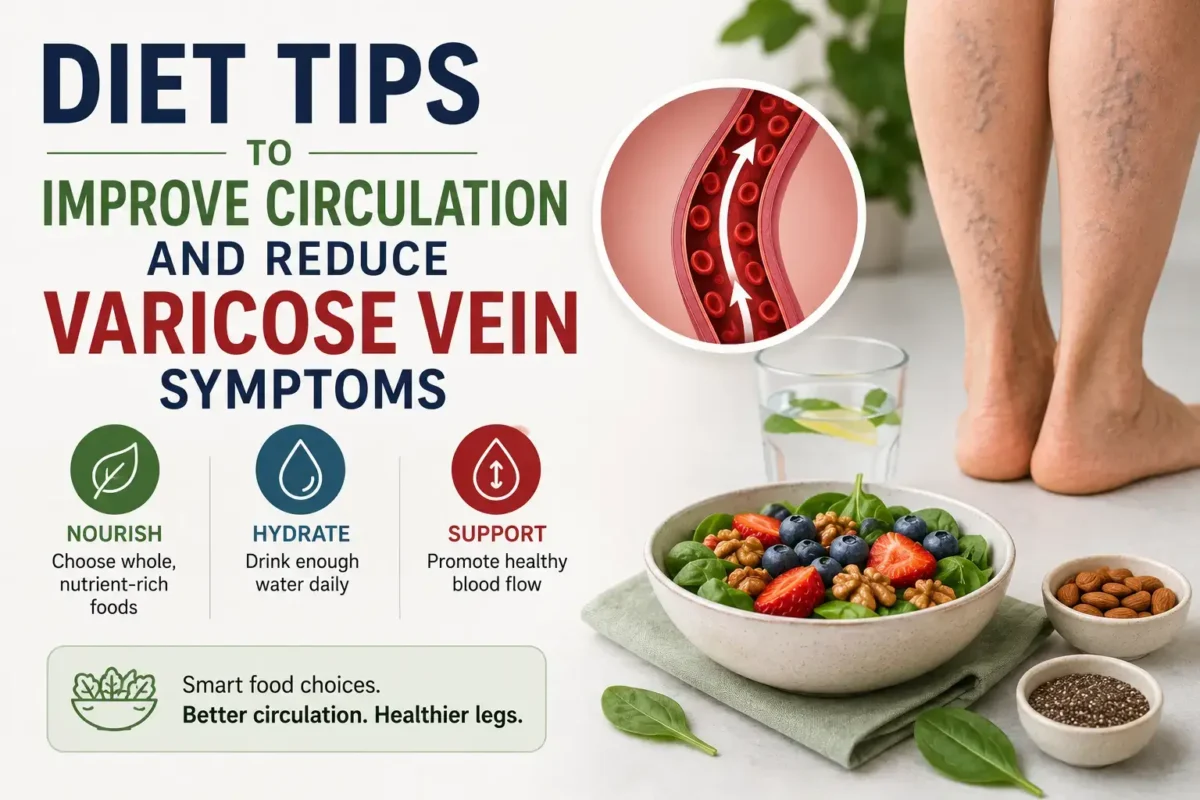
Diet Tips to Improve Circulation and Reduce Varicose Vein Symptoms

Diet Tips to Improve Circulation and Reduce Varicose Vein Symptoms

Diet Tips to Improve Circulation and Reduce Varicose Vein Symptoms

If you’ve ever noticed those bluish, twisted veins running along your legs, you’re not alone. Varicose veins affect millions of people and while they’re often seen as just a cosmetic concern, they can also cause real discomfort like aching, heaviness, swelling, and fatigue in the legs.

While treatments like sclerotherapy and laser therapy have come a long way, one of the most underrated tools in managing varicose vein symptoms is something you already do every day eating. The right foods can support healthy circulation, strengthen your vein walls, and reduce the inflammation that makes symptoms worse.

Here’s a simple, practical guide to eating well for better vein health.

Why Does Diet Matter for Varicose Veins?

Your veins have a tough job. They push blood back up to your heart against gravity, all day long. The tiny valves inside your veins are what make this possible but over time, these valves can weaken, causing blood to pool and veins to bulge.

Certain foods help by reducing inflammation, improving blood flow, and strengthening the walls of your blood vessels. Others think too much salt, sugar, and processed food can make things worse by increasing water retention and putting extra pressure on your veins.

The good news? Small, consistent changes to your diet can make a noticeable difference.

Foods That Help

1. Foods Rich in Flavonoids

Flavonoids are natural plant compounds that have a wonderful effect on circulation. They help relax blood vessels, reduce blood pressure, and improve blood flow all of which take pressure off those struggling veins.

Great sources include:

  • Berries — blueberries, strawberries, cherries, and blackberries
  • Citrus fruits — oranges, lemons, and grapefruit
  • Dark chocolate (in moderation — the darker, the better!)
  • Onions and garlic
  • Spinach, kale, and other leafy greens

Try to include a handful of berries with your breakfast or swap your usual snack for an orange. These small additions really do add up.

2. High-Fibre Foods

Constipation might not seem related to varicose veins, but they’re more connected than you’d think. Straining during bowel movements puts pressure on the veins in your abdomen and legs, which worsens vein problems over time. A fibre-rich diet keeps things moving and reduces that unnecessary pressure.

Good fibre sources include:

  • Whole grains like oats, brown rice, and whole wheat bread
  • Lentils, chickpeas, and kidney beans
  • Fruits like apples, pears, and bananas
  • Vegetables like broccoli, carrots, and sweet potatoes

If you’re not used to eating a lot of fibre, increase it gradually and drink plenty of water alongside it.

3. Foods High in Vitamin C

Vitamin C is essential for producing collagen and elastin the proteins that keep your vein walls strong and flexible. Without enough of it, blood vessel walls can weaken over time.

Stock up on:

  • Amla (Indian gooseberry) — one of the richest sources of Vitamin C
  • Bell peppers (especially red and yellow ones)
  • Guavas
  • Kiwi, papaya, and mangoes
  • Broccoli and tomatoes

A simple glass of amla juice in the morning or adding bell peppers to your sabzi are easy ways to get more Vitamin C into your day.

4. Foods Rich in Vitamin E

Vitamin E acts as a natural blood thinner and helps prevent clotting, which supports healthy circulation. It also protects cells from damage caused by inflammation.

Find it in:

  • Almonds, walnuts, and sunflower seeds
  • Avocado
  • Spinach and broccoli
  • Sunflower oil and olive oil

A small handful of almonds as an afternoon snack is one of the simplest things you can do for your vein health.

5. Rutin-Rich Foods

Rutin is a lesser-known but powerful compound that helps strengthen capillaries and reduce inflammation. It’s often used in supplements for vein health, but you can also get it from food.

Good sources include:

  • Buckwheat (kuttu — especially popular during fasting seasons in India!)
  • Asparagus
  • Apples (with the skin on)
  • Figs
  • Green tea and black tea

6. Plenty of Water

This one isn’t a food, but it’s just as important. Staying well-hydrated keeps your blood at the right consistency not too thick so it flows easily through your veins. Dehydration, on the other hand, causes blood to thicken and makes circulation sluggish.

Aim for at least 8–10 glasses of water a day, and more if you’re active or it’s hot outside. Coconut water, buttermilk (chaas), and herbal teas also count toward your daily fluids.

Foods to Limit or Avoid

Just as important as what you eat is what you cut back on:

Salty foods: Excess salt causes water retention and swelling, which increases pressure in your leg veins. Watch out for pickles, papads, processed snacks, and packaged foods that are high in sodium.

Refined carbohydrates and sugar: White bread, maida-based snacks, sweets, and sugary drinks can promote inflammation and weight gain, both of which worsen varicose vein symptoms.

Alcohol: Alcohol causes blood vessels to dilate and can interfere with circulation. It also dehydrates you, which thickens the blood.

Fried and processed foods: These are high in unhealthy fats and sodium, contributing to inflammation and poor vascular health.

A Sample Day of Eating for Vein Health

To bring it all together, here’s what a typical day might look like:

Morning: A glass of warm water with lemon → Oats porridge with a handful of mixed berries and almonds → A small bowl of fresh fruit (papaya or guava works great)

Mid-morning: Green tea or coconut water

Lunch: Brown rice or roti with dal, a sabzi made with leafy greens, and a side salad with tomatoes and onions → Chaas

Evening snack: A handful of walnuts or sunflower seeds → An apple with the skin on

Dinner: Buckwheat (kuttu) rotis or multigrain roti with a light vegetable curry → Warm turmeric milk at bedtime (turmeric has excellent anti-inflammatory properties)

Diet alone won’t make varicose veins disappear but it can make a real difference in how you feel day to day. Combined with regular movement (even short walks help), keeping your legs elevated when resting, and wearing compression stockings if recommended by your doctor, good nutrition is a powerful part of managing your vein health.

Conclusion

At Surekha Varicose Veins, we believe that lasting vein health comes from treating the whole person not just the vein. Whether you’re looking for dietary advice, exploring treatment options, or just want to understand your condition better, our team is here to help you every step of the way.

Have questions about varicose veins or want to book a consultation? Get in touch with us today. Healthy veins, healthier you.

Consult Now

Consult Dr. Ashish Dhadas at Surekha Varicose Veins Clinic to receive expert evaluation and personalized treatment.

Surekha Varicose Veins Clinic
Address: 2nd Floor, Surekha Varicose Veins Clinic, Swara Emerald, Dr R.P. Rd, Tilak Nagar, Dombivli East, Thane, Dombivli, Maharashtra 421201
Phone: 094038 90477

Book your consultation today and take the first step toward pain-free, healthier legs.
Can Walking Reduce Varicose Veins?

Can Walking Reduce Varicose Veins?

Can Walking Reduce Varicose Veins?

Varicose veins are enlarged, twisted veins that commonly appear on the legs due to weakened vein valves and improper blood flow. Many people with varicose veins experience symptoms such as leg pain, swelling, heaviness, and discomfort, especially after standing for long periods.

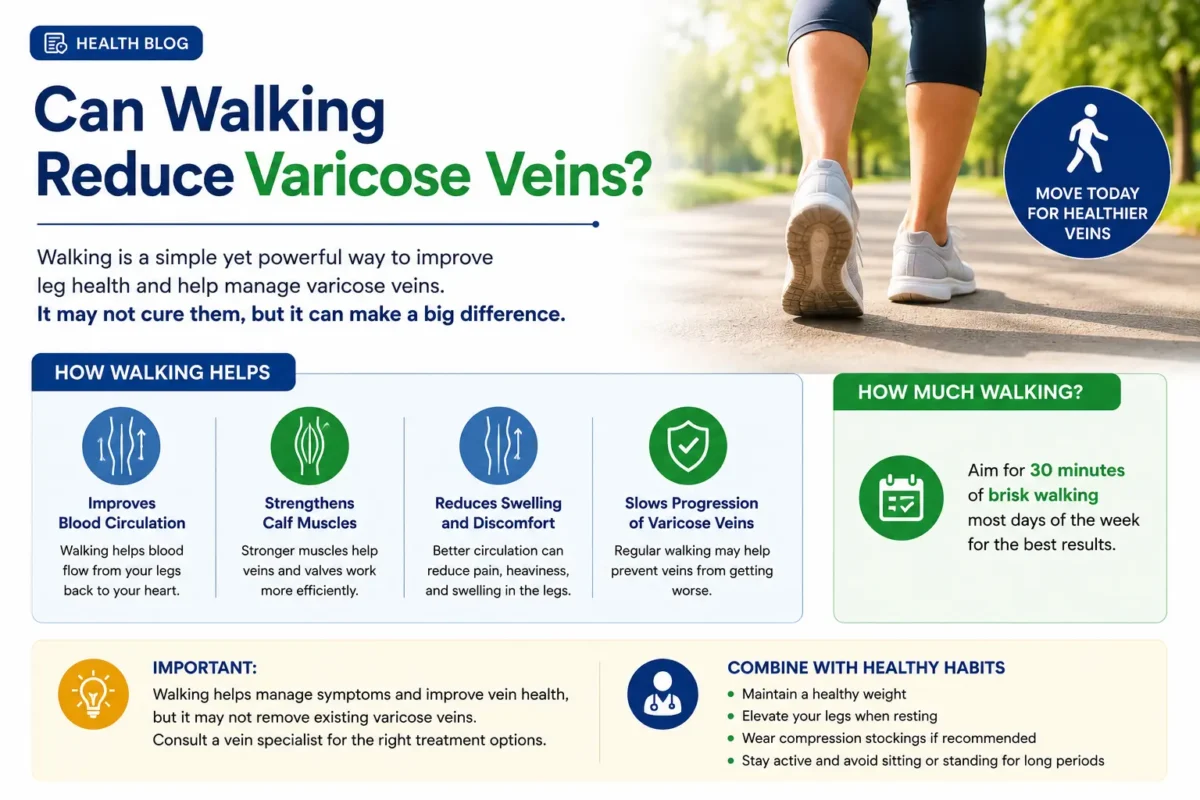
One of the most frequently asked questions by patients is, “Can walking reduce varicose veins?” According to Dr. Ashish Dhadas at Surekha Varicose Veins Clinic, walking is a beneficial low-impact exercise for improving blood circulation and supporting vein health. While walking may not completely remove varicose veins, it can help manage symptoms such as leg heaviness, swelling, and discomfort.

Understanding how walking helps manage varicose vein symptoms and when medical treatment may be necessary can help patients make informed decisions about their vein health and circulation.

What are Varicose Veins?

Varicose veins occur when the valves inside the veins become weak or damaged, causing blood to pool in the veins instead of flowing properly toward the heart.

This leads to enlarged and visible veins, most commonly in the legs and feet.

Common Symptoms of Varicose Veins

Symptoms may vary depending on the severity of the condition.

Common symptoms include:

  • Bulging blue or purple veins
  • Leg pain or aching
  • Swelling in the legs
  • Heaviness in the legs
  • Burning sensation
  • Muscle cramps
  • Itching around veins
  • Discomfort after prolonged standing

Without treatment, symptoms may gradually worsen over time.

Can Walking Reduce Varicose Veins?

Walking cannot completely eliminate varicose veins, but it is highly beneficial for improving blood circulation and reducing symptoms.

Regular walking helps the calf muscles work more effectively, which supports the veins in pushing blood back toward the heart.

Benefits of Walking for Varicose Veins

1. Improves Blood Circulation

Walking promotes healthy blood flow and reduces blood pooling in the veins.

Better circulation may help reduce swelling and heaviness in the legs.

2. Strengthens Calf Muscles

The calf muscles act as a natural pump for the veins in the legs.

Walking keeps these muscles active and supports healthy vein function.

3. Reduces Leg Swelling

Regular movement helps prevent fluid accumulation in the legs and ankles.

4. Helps Maintain Healthy Weight

Excess body weight increases pressure on leg veins and can worsen varicose veins.

Walking supports weight management and reduces stress on the veins.

5. Reduces Discomfort

People who walk regularly often experience reduced pain, stiffness, and heaviness in the legs.

Walking Tips for Managing Varicose Veins

Walking is safe for most people with varicose veins, but following the right techniques can improve its benefits.

Walk Regularly

Aim for at least 30 minutes of walking daily to improve circulation.

Wear Comfortable Footwear

Supportive shoes help reduce strain on the legs.

Avoid Standing for Long Periods

Long hours of standing can worsen vein pressure.

Take short walking breaks whenever possible.

Elevate the Legs

After walking, elevating the legs can help reduce swelling and improve blood flow.

Stay Hydrated

Proper hydration supports healthy circulation and vein function.

Other Lifestyle Changes for Varicose Veins

Along with walking, certain lifestyle modifications can help manage symptoms.

Maintain Healthy Weight

Reducing excess weight lowers pressure on the veins.

Avoid Tight Clothing

Tight clothes around the waist or legs may restrict blood circulation.

Exercise Regularly

Low-impact activities such as cycling, swimming, and yoga can also support vein health.

Use Compression Stockings

Compression stockings help improve circulation and reduce swelling in the legs.

When Walking Alone is Not Enough

While walking helps improve symptoms, advanced varicose veins may require medical treatment.

Consult a specialist if you experience:

  • Severe leg pain
  • Persistent swelling
  • Skin discoloration
  • Non-healing ulcers
  • Bleeding from veins
  • Increasing size of veins

Early treatment can help prevent complications and improve quality of life.

Treatment Options for Varicose Veins

Modern treatments are safe, minimally invasive, and highly effective.

Dr. Ashish Dhadas specializes in advanced varicose veins treatment and minimally invasive procedures that help patients recover faster with less discomfort.

1. EVLT (Endovenous Laser Treatment)

EVLT is a minimally invasive laser procedure used to close damaged veins and improve blood flow.

Benefits of EVLT

  • Minimal pain
  • Faster recovery
  • No major cuts or stitches
  • Short hospital stay

2. Sclerotherapy

A special solution is injected into the affected veins to close them.

3. Surgical Treatment

In severe cases, surgical removal of damaged veins may be recommended.

Conclusion

So, can walking reduce varicose veins? Walking may not completely remove varicose veins, but it is a beneficial low-impact exercise that can help improve circulation, reduce swelling, and manage symptoms naturally.

Combining regular walking with healthy lifestyle habits and timely medical care can help improve vein health and prevent complications. If symptoms become severe or affect daily activities, consulting Dr. Ashish Dhadas at Surekha Varicose Veins Clinic can help patients receive proper diagnosis and advanced varicose veins treatment.

Consult Now

Consult Dr. Ashish Dhadas at Surekha Varicose Veins Clinic to receive expert evaluation and personalized treatment.

Surekha Varicose Veins Clinic
Address: 2nd Floor, Surekha Varicose Veins Clinic, Swara Emerald, Dr R.P. Rd, Tilak Nagar, Dombivli East, Thane, Dombivli, Maharashtra 421201
Phone: 094038 90477

Book your consultation today and take the first step toward pain-free, healthier legs.
How Weight Affects Vein Health

How Weight Affects Vein Health

How Weight Affects Vein Health

Maintaining healthy body weight is important not only for overall wellness but also for proper blood circulation and vein health. Excess body weight places additional pressure on the veins, especially in the legs, making it harder for blood to flow efficiently back toward the heart.

Many people are unaware of how weight affects vein health until they begin experiencing symptoms such as leg swelling, heaviness, pain, or visible varicose veins. According to Dr. Ashish Dhadas at Surekha Varicose Veins Clinic, obesity is one of the major risk factors for developing vein-related problems and worsening existing varicose veins.

Understanding the connection between body weight and vein health can help people take preventive steps early and improve circulation naturally.

What are Veins and Why are They Important?

Veins are blood vessels responsible for carrying blood back to the heart. The veins in the legs work against gravity to return blood to the heart, which means they rely on healthy valves and muscle movement to push blood upward.

When the valves inside the veins become weak or damaged, blood begins to collect inside the veins instead of flowing properly. This can lead to enlarged and twisted veins known as varicose veins.

How Excess Weight Affects Vein Health

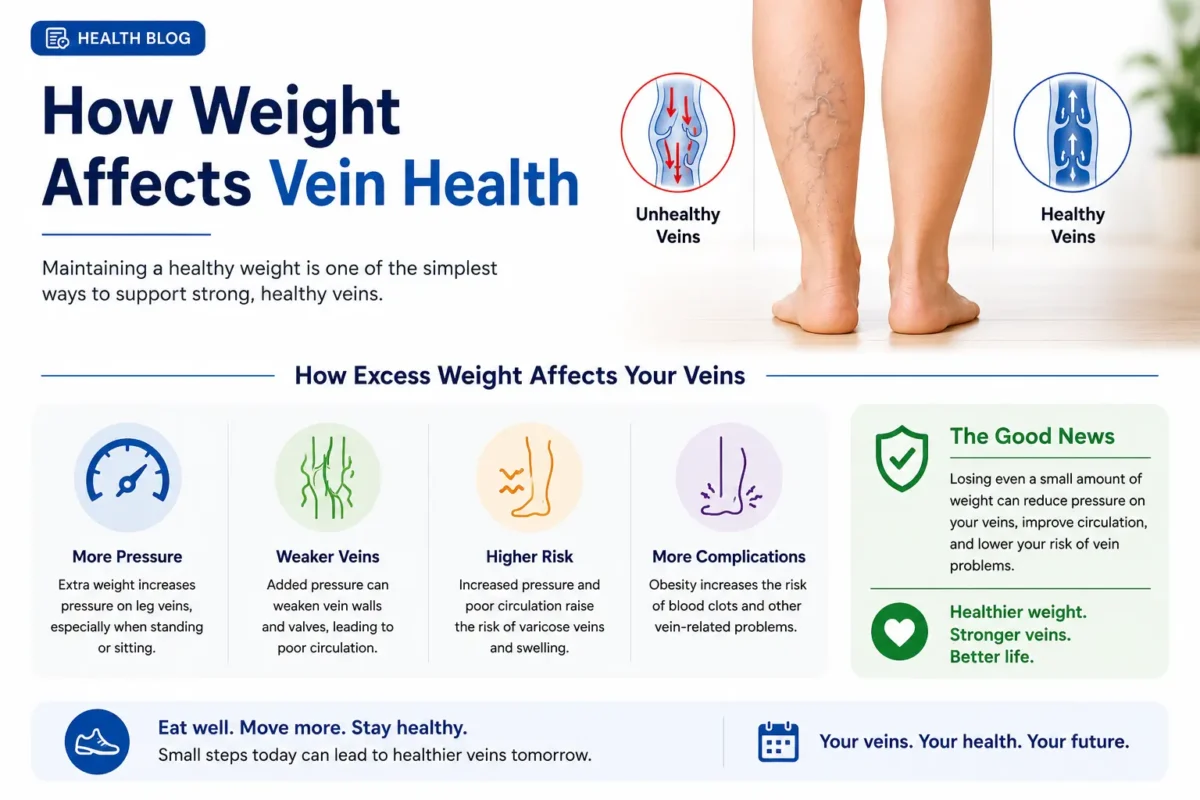
Excess body weight increases pressure on the veins and affects normal blood circulation.

Over time, this pressure can weaken vein valves and increase the risk of vein disorders.

Ways Weight Impacts Vein Health

1. Increased Pressure on Leg Veins

Extra weight puts continuous pressure on the veins in the lower body.

This makes it harder for blood to travel upward toward the heart, leading to blood pooling in the veins.

2. Poor Blood Circulation

Obesity can slow blood circulation and increase the risk of swelling and discomfort in the legs.

Poor circulation may also contribute to fatigue and heaviness in the lower limbs.

3. Higher Risk of Varicose Veins

People who are overweight are more likely to develop varicose veins due to increased strain on the vein walls and valves.

Varicose veins may gradually worsen if body weight remains uncontrolled.

4. Increased Swelling in the Legs

Excess weight can cause fluid retention and poor circulation, leading to swelling in the legs and ankles.n symptoms.

5. Reduced Physical Activity

People with obesity may be less physically active, which further reduces circulation and weakens calf muscles that support healthy vein function.

Common Symptoms of Poor Vein Health

Symptoms of vein problems may develop gradually over time.

Common symptoms include:

  • Leg pain or aching
  • Swelling in the legs
  • Heaviness in the legs
  • Bulging veins
  • Burning sensation
  • Muscle cramps
  • Skin discoloration
  • Itching around veins

Ignoring these symptoms may increase the risk of complications.

Can Weight Loss Improve Vein Health?

Yes, maintaining healthy weight can significantly improve blood circulation and reduce pressure on the veins.

According to Dr. Ashish Dhadas, weight management is an important part of preventing and managing varicose veins.

Benefits of Weight Loss for Vein Health

1. Improved Circulation

Reducing body weight helps blood flow more efficiently through the veins.

2. Reduced Pressure on Veins

Less pressure on the leg veins helps reduce swelling and discomfort.

3. Better Mobility

Physical activity becomes easier, which further improves circulation.

4. Reduced Risk of Complications

Maintaining healthy weight lowers the risk of severe varicose veins and chronic venous insufficiency.

Lifestyle Tips to Improve Vein Health

Healthy lifestyle habits can support circulation and improve vein function.

Exercise Regularly

Walking, swimming, and cycling are excellent low-impact exercises for improving circulation.

Avoid Prolonged Sitting or Standing

Long periods of sitting or standing can worsen blood pooling in the legs.

Take regular movement breaks throughout the day.

Maintain Healthy Diet

A balanced diet rich in fruits, vegetables, and fiber supports healthy circulation and weight management.

Stay Hydrated

Proper hydration supports blood flow and overall vascular health.

Use Compression Stockings

Compression stockings can help improve circulation and reduce swelling in the legs.

Treatment Options for Vein Problems

Lifestyle changes may help in early stages, but advanced vein problems may require medical treatment.

Dr. Ashish Dhadas specializes in modern varicose veins treatments that help improve circulation and reduce discomfort.

1. EVLT (Endovenous Laser Treatment)

EVLT is a minimally invasive laser procedure used to close damaged veins and redirect blood flow to healthier veins.

Benefits of EVLT

  • Minimal pain
  • Faster recovery
  • No large cuts or stitches
  • Short hospital stay

2. Sclerotherapy

A medical solution is injected into affected veins to close them.

3. Surgical Treatment

Severe varicose veins may sometimes require surgical intervention.

When to Consult a Vein Specialist

Consult a doctor if you experience:

  • Persistent leg pain
  • Swelling in the legs
  • Visible bulging veins
  • Skin changes near veins
  • Leg ulcers
  • Increasing discomfort while standing

Early treatment can help prevent complications and improve quality of life.

Conclusion

Understanding how weight affects vein health is important for preventing circulation problems and varicose veins. Excess body weight increases pressure on the veins, affects blood flow, and may worsen vein-related symptoms over time.

Maintaining healthy weight, staying physically active, and seeking timely treatment can help improve vein health and reduce complications. If you experience persistent symptoms related to varicose veins or poor circulation, consulting Dr. Ashish Dhadas at Surekha Varicose Veins Clinic can help you receive proper diagnosis and advanced treatment options.

Consult Now

Consult Dr. Ashish Dhadas at Surekha Varicose Veins Clinic to receive expert evaluation and personalized treatment.

Surekha Varicose Veins Clinic
Address: 2nd Floor, Surekha Varicose Veins Clinic, Swara Emerald, Dr R.P. Rd, Tilak Nagar, Dombivli East, Thane, Dombivli, Maharashtra 421201
Phone: 094038 90477

Book your consultation today and take the first step toward pain-free, healthier legs.
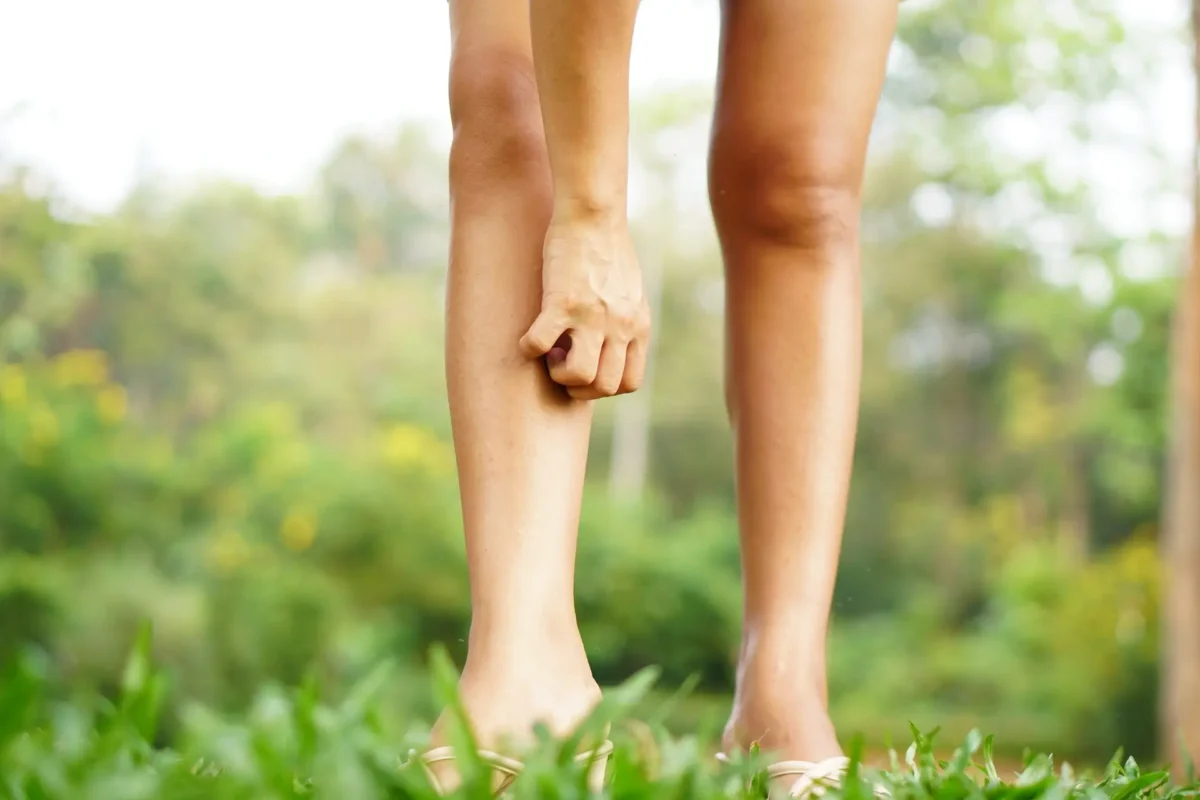
Varicose Veins Itch

Why Do Varicose Veins Itch?

Why Do Varicose Veins Itch?

If you have varicose veins, you may have noticed an uncomfortable and persistent itching sensation around the affected area. While many people associate varicose veins with visible bulging veins or leg pain, itching is another common and often overlooked symptom.

This leads to a common question: “Why do varicose veins itch?”

The answer lies in changes happening beneath the skin, particularly in blood flow and vein health. In this blog, we’ll explain the causes of itchy varicose veins, associated symptoms, and appropriate ways to manage and treat them.

What Are Varicose Veins?

Varicose veins are enlarged, twisted veins that occur when vein valves weaken, causing blood to pool in the legs. This leads to:

  • Increased pressure in veins
  • Poor circulation
  • Visible swelling and discoloration

Over time, these changes can also affect the surrounding skin leading to itching and irritation.

Why Do Varicose Veins Itch?

The itching associated with varicose veins is not just a surface issue it is linked to underlying vascular problems.

  1. Poor Blood Circulation

When veins are not functioning properly:

  • Blood collects in the lower legs
  • Pressure builds up in veins
  • Tissues receive less oxygen and nutrients

This poor circulation can irritate the skin, causing itching around varicose veins.

  1. Inflammation of Veins

Damaged veins can trigger inflammation in surrounding tissues.

This leads to:

  • Redness
  • Warmth
  • Irritation

Inflammation is a major reason for itchy and irritated skin near varicose veins.

3. Venous Eczema (Stasis Dermatitis)

One of the most common causes of itching is venous eczema, also known as stasis dermatitis.

Symptoms include:

  • Dry, flaky skin
  • Intense itching
  • Red or brown discoloration
  • Thickened skin over time

This condition occurs due to chronic venous insufficiency.

4. Fluid Leakage into Surrounding Tissues

Increased pressure in veins can cause fluid to leak into nearby tissues.

This results in:

  • Swelling (edema)
  • Skin irritation
  • Persistent itching

5. Skin Dryness and Damage

Poor circulation can affect skin health, leading to:

  • Dryness
  • Sensitivity
  • Increased urge to scratch

Scratching can further damage the skin and worsen symptoms.

Why You Should Not Ignore Itching

Many people ignore itching in varicose veins, assuming it’s minor. However, it can be an early warning sign of worsening vein disease.

Risks of ignoring itching:

  • Skin infections
  • Open wounds or ulcers
  • Bleeding from scratched veins
  • Progression to severe venous disease
Symptoms That May Accompany Itching

If your varicose veins itch, you may also notice:

  • Swelling in legs or ankles
  • Heaviness or aching in legs
  • Skin discoloration (brown or purple)
  • Burning or throbbing sensation
  • Thickened or hardened skin

These symptoms indicate underlying vein circulation problems.

How to Relieve Itchy Varicose Veins

Managing itching requires both symptom relief and treating the root cause.

  1. Avoid Scratching

Scratching may give temporary relief but can:

  • Damage the skin
  • Cause infections
  • Lead to bleeding
  1. Moisturize Regularly

Use gentle, fragrance-free moisturizers to:

  • Reduce dryness
  • Soothe irritated skin
  1. Use Compression Stockings

Compression stockings help:

  • Improve blood circulation
  • Reduce swelling
  • Minimize itching
  1. Elevate Your Legs

Raising your legs above heart level:

  • Reduces pressure in veins
  • Improves blood flow
  • Relieves discomfort
  1. Stay Physically Active

Regular movement helps:

  • Improve circulation
  • Prevent blood pooling
  • Reduce symptoms
  1. Medications (If Needed)

Doctors may prescribe:

  • Anti-inflammatory creams
  • Antihistamines for itching
  • Topical steroids (in some cases)
When Should You See a Doctor?

You should consult a specialist if:

  • Itching is persistent or severe
  • Skin becomes discolored or thickened
  • You notice open sores or wounds
  • There is swelling or pain

Early medical intervention can prevent complications.

Treatment Options for Varicose Veins

If itching is due to underlying vein issues, treating the veins is the most effective solution.

Minimally Invasive Treatments

Modern procedures include:

  • Laser treatment for varicose veins
  • Radiofrequency ablation
  • Sclerotherapy

These treatments:

  • Target damaged veins
  • Improve blood flow
  • Provide long-term relief from symptoms
Expert Care at Surekha Varicose Veins Clinic

If you are experiencing itchy varicose veins, expert evaluation is essential.

At Surekha Varicose Veins Clinic, patients receive specialized care for all types of vein conditions.

Dr. Ashish Dhadas, an experienced vascular specialist, focuses on:

  • Identifying the root cause of symptoms
  • Providing advanced, minimally invasive treatments
  • Offering personalized care plans

His approach ensures effective relief from both visible veins and symptoms like itching.

Why Early Treatment Matters

Ignoring symptoms like itching can lead to:

  • Skin damage
  • Ulcers
  • Chronic venous disease

Early treatment helps:

  • Prevent complications
  • Improve comfort
  • Restore healthy circulation
Conclusion

So, why do varicose veins itch?
The itching is mainly caused by poor circulation, inflammation, and skin changes associated with vein damage.

While it may seem like a minor issue, it can be an early sign of worsening vein health. Managing symptoms early and seeking expert care can prevent serious complications.

If you’re dealing with itching varicose veins, don’t ignore it – your body is signaling that it needs attention.

Consult Now

Consult Dr. Ashish Dhadas at Surekha Varicose Veins Clinic to receive expert evaluation and personalized treatment.

Surekha Varicose Veins Clinic
Address: 2nd Floor, Surekha Varicose Veins Clinic, Swara Emerald, Dr R.P. Rd, Tilak Nagar, Dombivli East, Thane, Dombivli, Maharashtra 421201
Phone: 094038 90477

Book your consultation today and take the first step toward pain-free, healthier legs.

Are IT Professionals More Prone to Varicose Veins?

Are IT Professionals More Prone to Varicose Veins?

Are IT Professionals More Prone to Varicose Veins?

In today’s digital world, IT professionals spend long hours sitting in front of screens, often with minimal movement throughout the day. While this lifestyle supports productivity, it can silently affect your health- especially your veins.

A growing concern among desk-job workers is the rising incidence of varicose veins. This raises an important question: Are IT professionals more prone to varicose veins?

The answer is yes prolonged sitting and sedentary habits significantly increase the risk. In this blog, we’ll explore why IT professionals are at higher risk, early warning signs, prevention tips, and effective treatment options.

What Are Varicose Veins?

Varicose veins are enlarged, twisted veins that usually appear on the legs and feet. They occur when the valves inside the veins weaken or fail, causing blood to pool instead of flowing properly back to the heart.

Common characteristics:

  • Bulging, visible veins
  • Blue or purple discoloration
  • Rope-like appearance

They are not just a cosmetic issue-  varicose veins can lead to discomfort and serious complications if ignored.

Why Are IT Professionals at Higher Risk?

The nature of IT jobs involves long hours of sitting, which directly impacts blood circulation.

1. Prolonged Sitting

Sitting for extended periods slows down blood flow in the legs.

  • Blood pools in lower limbs
  • Increased pressure on veins
  • Weakening of vein valves

This is one of the biggest contributors to varicose veins in IT professionals.

  1. Lack of Movement

Minimal physical activity reduces muscle contractions that help push blood upward.

Without movement:

  • Circulation becomes sluggish
  • Veins experience more strain

3. Poor Posture

Sitting with crossed legs or improper posture can restrict blood flow.

  • Compression of veins
  • Increased venous pressure
  • Higher risk of vein damage


4. Long Working Hours

Extended work shifts without breaks worsen the condition.

  • Continuous pressure on leg veins
  • Delayed symptom recognition

5. Work-from-Home Lifestyle

Since remote work became common, many professionals:

  • Sit longer without structured breaks
  • Use non-ergonomic furniture
  • Less movement as compared to work from office

This has further increased cases of varicose veins due to sedentary lifestyle.

Early Signs You Shouldn’t Ignore

Recognizing early symptoms can help prevent complications.

Common warning signs:

  • Aching or heavy legs
  • Swelling in feet and ankles
  • Burning or throbbing sensation
  • Visible veins
  • Muscle cramps (especially at night)
  • Itching around veins

Ignoring these signs can lead to worsening of chronic venous insufficiency.

How Serious Are Varicose Veins?

Many people ignore varicose veins thinking they are harmless. However, untreated cases can lead to:

Possible complications:

  • Skin discoloration
  • Venous ulcers (non-healing wounds)
  • Blood clots
  • Persistent pain and swelling

Early intervention is key to avoiding these complications.

Who Else Is at Risk?

While IT professionals are at high risk, other factors also contribute:

  • Age (above 30–40 years)
  • Obesity
  • Pregnancy
  • Family history
  • Prolonged standing jobs

A combination of these factors increases the likelihood of developing varicose veins.

Prevention Tips for IT Professionals

The good news is that varicose veins can often be prevented with simple lifestyle changes.

  1. Take Regular Breaks

Follow the 30–45 minute rule:

  • Stand up
  • Walk around
  • Stretch your legs

Even short breaks can improve circulation.

  1. Practice Leg Exercises

Simple exercises at your desk can help:

  • Ankle rotations
  • Heel raises
  • Leg lifts

These movements boost blood flow and reduce pressure on veins.

  1. Maintain Proper Posture
  • Keep feet flat on the floor
  • Avoid crossing legs
  • Use ergonomic chairs

Good posture reduces strain on leg veins.

  1. Stay Active

Regular physical activity like:

  • Walking
  • Cycling
  • Swimming

helps strengthen muscles and improve circulation.

  1. Wear Compression Stockings

Compression stockings support vein function by:

  • Improving blood flow
  • Reducing swelling
  • Preventing progression
  1. Maintain a Healthy Weight

Excess weight increases pressure on veins, so maintaining a healthy BMI is essential.

  1. Stay Hydrated

Proper hydration improves blood flow and overall vascular health.

Treatment Options for Varicose Veins

If symptoms persist, medical treatment may be required.

  1. Lifestyle Management

In early stages, doctors recommend:

  • Exercise
  • Weight management
  • Compression therapy
  1. Minimally Invasive Treatments

Modern treatments are quick, safe, and effective.

Common procedures include:

  • Laser treatment for varicose veins
  • Radiofrequency ablation
  • Sclerotherapy

These procedures:

  • Are minimally invasive
  • Require little to no downtime
  • Provide long-term relief
  1. Surgical Options

In advanced cases, surgery may be required, though it is less common today due to advanced techniques.

When Should You See a Specialist?

You should consult a doctor if you experience:

  • Persistent leg pain
  • Visible bulging veins
  • Swelling that doesn’t go away
  • Skin changes or ulcers
  • Difficulty standing for long periods

Early consultation can prevent complications and ensure effective treatment.

Expert Care at Surekha Varicose Veins Clinic

When it comes to treating varicose veins in IT professionals, specialized care makes all the difference.

At Surekha Varicose Veins Clinic, patients receive advanced, personalized treatment for vein-related conditions.

Dr. Ashish Dhadas, an experienced vascular specialist, focuses on:

  • Accurate diagnosis using advanced imaging
  • Minimally invasive procedures
  • Long-term prevention strategies
  • Patient-centric care

His expertise ensures that patients not only get relief from symptoms but also prevent recurrence.

Why Early Treatment Matters

Delaying treatment can lead to:

  • Worsening symptoms
  • Increased complications
  • More complex procedures

Early intervention ensures:

  • Faster recovery
  • Better outcomes
  • Improved quality of life
IT Lifestyle vs Vein Health: Finding Balance

Being in the IT field doesn’t mean you are destined to develop varicose veins. With awareness and small daily changes, you can significantly reduce your risk.

Key takeaways:

  • Move regularly
  • Maintain healthy habits
  • Don’t ignore early symptoms
  • Seek expert advice when needed
Conclusion

So, are IT professionals more prone to varicose veins?
Yes due to prolonged sitting, lack of movement, and sedentary work habits.

However, the condition is preventable and treatable with the right approach.

By making simple lifestyle adjustments and seeking timely medical care, you can protect your vein health and avoid long-term complications.

If you’re experiencing symptoms, don’t wait-  early diagnosis and expert treatment can make all the difference.

Consult Now

Consult Dr. Ashish Dhadas at Surekha Varicose Veins Clinic to receive expert evaluation and personalized treatment.

Surekha Varicose Veins Clinic
Address: 2nd Floor, Surekha Varicose Veins Clinic, Swara Emerald, Dr R.P. Rd, Tilak Nagar, Dombivli East, Thane, Dombivli, Maharashtra 421201
Phone: 094038 90477

Book your consultation today and take the first step toward pain-free, healthier legs.